
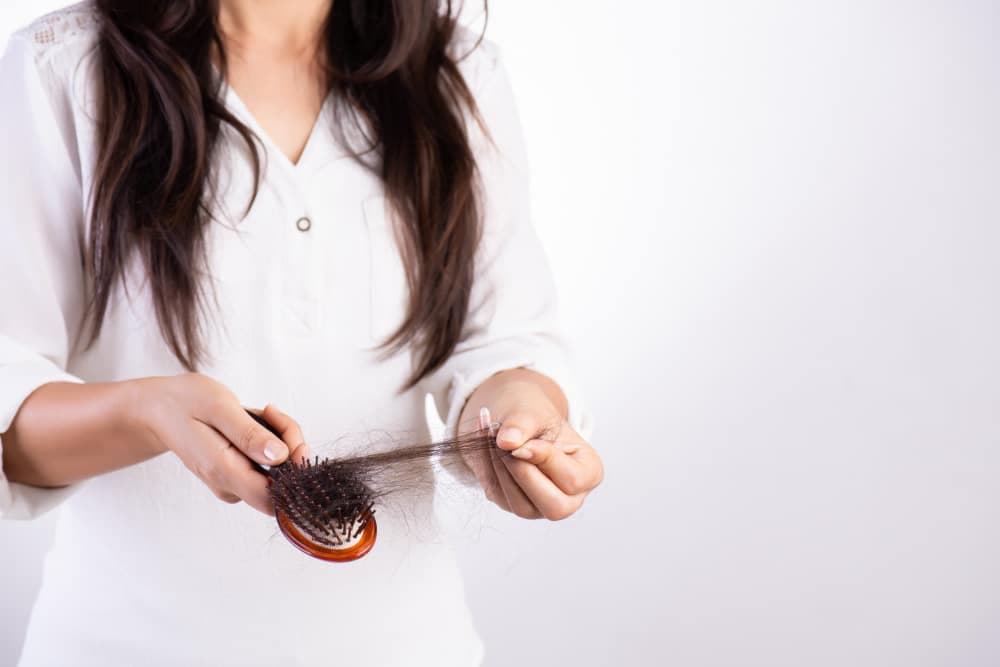
Can the pill cause hair loss?
The contraceptive pill is one of the most common forms of birth control, used by millions of women worldwide. While it's praised for its effectiveness and additional benefits such as regulating periods and reducing acne it can also come with side effects. One concern that often arises is whether the pill can cause hair loss. In this blog, we’ll explore how hormonal contraception affects hair health, the types of hair loss it may cause, and what you can do if you’re experiencing thinning or shedding.
How the Pill Works
The combined oral contraceptive pill contains synthetic forms of oestrogen and progestin, which work together to prevent ovulation and alter the uterine lining and cervical mucus. There are also progestin-only pills (often called the mini-pill) that primarily work by thickening cervical mucus and thinning the uterine lining.
These hormones influence more than just the reproductive system—they also interact with other hormone-sensitive tissues in the body, including the hair follicles.
The Link Between the Pill and Hair Loss
Hair growth follows a natural cycle: the anagen phase (growth), catagen phase (transitional), and telogen phase (resting/shedding). Hormonal fluctuations can disrupt this cycle, leading to telogen effluvium, a condition where more hairs than normal enter the shedding phase at once.
There are two main ways the pill may be linked to hair loss:
Starting the Pill
When you begin taking the pill, your body adjusts to the synthetic hormones, which can trigger temporary shedding. This is more likely if you're sensitive to hormonal changes or have a family history of hair loss.
Stopping the Pill
Ironically, coming off the pill can also lead to shedding. Your body must readjust to its natural hormone levels, often resulting in a telogen effluvium reaction two to three months later. This type of hair loss is usually temporary but can be distressing.
Androgen Sensitivity and Hair Loss
Some birth control pills contain androgenic progestins, which can increase levels of androgens (male hormones like testosterone) in the body. High androgen levels may contribute to a type of hair loss known as androgenetic alopecia (female pattern hair loss), especially in women who are genetically predisposed.
Pills with low-androgenic or anti-androgenic progestins (like drospirenone or cyproterone acetate) are generally less likely to cause this issue and may even improve hair thinning in some women.
Signs of Hormonal Hair Loss
If you're experiencing hair loss related to hormonal birth control, you might notice:
- Increased hair shedding during brushing or washing
- A widening part or thinner ponytail
- Hair loss at the temples or crown
- Slower hair regrowth
It’s important to differentiate this from other causes such as stress, nutritional deficiencies, thyroid issues, or postpartum hair loss.
Risk Factors
Not every woman who takes the pill will experience hair loss. You may be more at risk if you:
- Have a family history of female pattern baldness
- Are particularly sensitive to hormone changes
- Have existing hormonal imbalances (e.g. PCOS)
- Are taking a pill with high androgenic activity
What You Can Do
If you think the pill may be contributing to your hair loss, here are some steps you can take:
Speak to Your GP or Gynaecologist
They can help determine whether your contraceptive is a likely cause and may suggest switching to a pill with lower androgenic activity or a non-hormonal method of contraception.
Consult with a hair loss specialist
A specialist can assess your scalp and hair density, perform tests, and offer personalised treatment plans.
Be Patient
Hair loss due to hormonal changes usually corrects itself over several months. Regrowth can be slow, but in most cases, it’s not permanent.
Support Your Hair Health
Boost your diet with iron, zinc, vitamin D, and protein. Consider gentle hair care routines that reduce stress on your follicles. Avoid tight hairstyles, excessive heat, or chemical treatments during recovery.
When to Worry
If your hair loss is significant, prolonged (more than six months), or accompanied by other symptoms (like irregular periods, acne, or unwanted facial hair), it may indicate an underlying hormonal imbalance like PCOS or thyroid dysfunction. Don’t hesitate to seek medical advice.
Conclusion
While the contraceptive pill can cause temporary hair shedding in some women, particularly when starting or stopping the medication, this is usually manageable and not permanent. However, for women with a genetic predisposition to female pattern hair loss, the pill could potentially accelerate or worsen the condition, especially if it has high androgenic activity.
Understanding how your body responds to hormonal changes is the first step in taking control of your hair health. By working with healthcare professionals and choosing the right contraceptive for your individual needs, you can minimise hair loss risks and maintain a healthy, confident you.
Worried About Hair Loss?
If you're experiencing hair thinning, don’t suffer in silence. Book a consultation with our hair specialists today to discuss your options.