Can You Get a Hair Transplant if You Are Completely Bald?
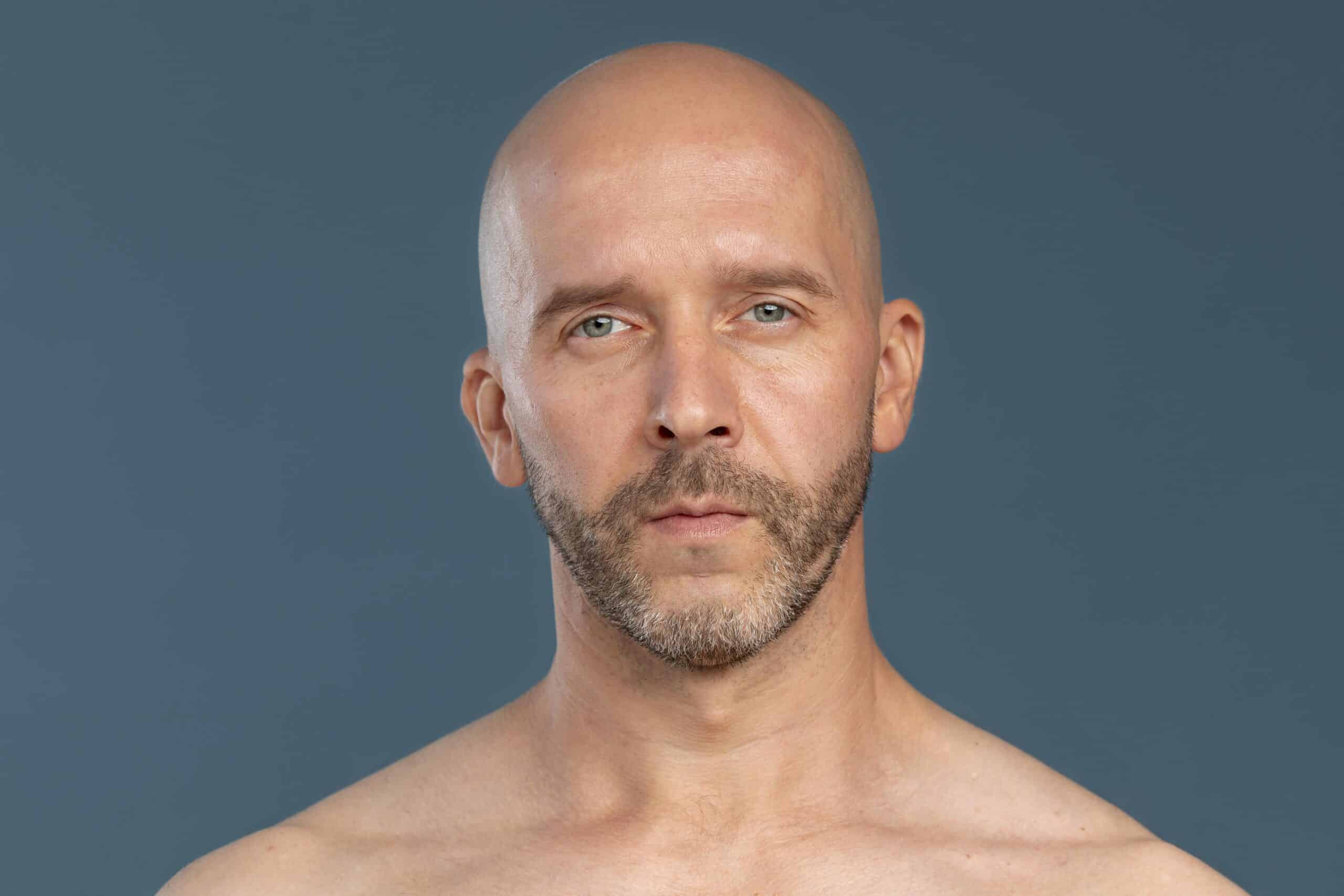
Hair loss can be a distressing experience, and many people who are completely bald wonder if a hair transplant is still an option for them. The good news is that while a hair transplant can be more challenging for those with total baldness, there are still potential solutions available. In this article, we will explore whether a hair transplant is possible for individuals with no remaining hair, the factors that influence the procedure’s success, and alternative options to consider.
Understanding How Hair Transplants Work
A hair transplant involves taking healthy hair follicles from a donor area and implanting them into the balding or thinning areas. This is typically done using either the Follicular Unit Extraction (FUE)or Follicular Unit Transplantation (FUT) method. The success of the procedure depends largely on the availability of healthy donor hair, which is usually taken from the back or sides of the head where hair is more resistant to balding. For individuals who are completely bald, the challenge lies in the lack of a donor area. If there is no remaining hair on the scalp, traditional hair transplantation may not be a viable option. However, alternative approaches may still be considered.
Can a Hair Transplant Work Without Donor Hair?
If you are entirely bald, a traditional hair transplant may not be possible without an adequate supply of donor hair. However, there are a few alternative solutions that could help:
- Body Hair Transplant (BHT): In cases where scalp donor hair is insufficient, some surgeons use hair from other parts of the body, such as the beard, chest, or back. While body hair has different characteristics than scalp hair, it can still provide coverage and improve overall appearance.
- Scalp Micropigmentation (SMP): This is a non-surgical option that involves tattooing tiny pigment dots onto the scalp to create the illusion of a closely shaved head. While it does not restore actual hair, it can give the appearance of fuller coverage.
- Hair Cloning and Regenerative Treatments: While still in the experimental stage, research into hair cloning and stem cell therapies may offer future solutions for individuals with no donor hair.
Factors That Influence Hair Transplant Success
If you have some remaining hair on the sides or back of your head, you may still be a candidate for a hair transplant. However, several factors determine the success of the procedure:
- Extent of Baldness: The larger the bald area, the more donor hair is required to achieve a natural-looking result.
- Quality of Donor Hair: Strong, thick donor hair yields better results than weak or fine hair.
- Scalp Condition: A healthy scalp is essential for the survival of transplanted grafts. Conditions like scarring or inflammation can affect the outcome.
- Surgeon’s Expertise: Choosing a skilled and experienced hair transplant surgeon can significantly impact the success of the procedure.
Alternative Solutions for Complete Baldness
If a hair transplant is not feasible due to a lack of donor hair, there are other solutions to consider:
- Hair Systems (Wigs or Toupees): High-quality, custom-made hair systems can provide a natural look and are a non-invasive option.
- Hair Loss Medications: While medications like finasteride and minoxidil cannot regrow hair in completely bald areas, they may help slow further hair loss and maintain any remaining hair.
- Lifestyle and Dietary Changes: A healthy diet, stress management, and proper hair care can contribute to overall scalp health and slow down hair thinning.
Final Thoughts
While a hair transplant may not always be possible for individuals who are completely bald, there are still options available to restore confidence and improve appearance. From body hair transplants to scalp micropigmentation, the right solution depends on individual needs and circumstances. If you are considering a hair transplant and want to explore your options, contact us today. Our team of experts can assess your condition and recommend the best treatment plan tailored to your specific needs.