
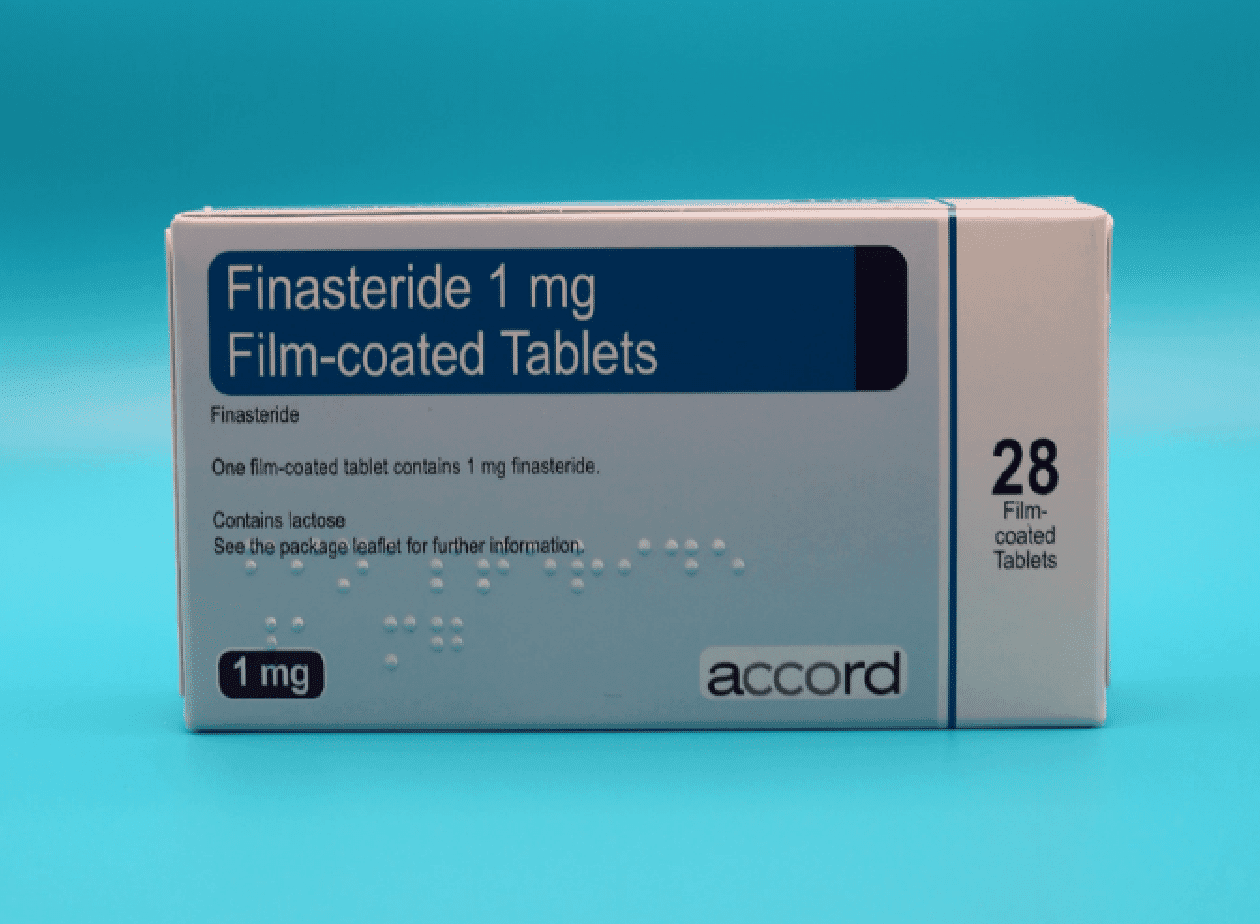
Do You Have to Take Finasteride After Hair Transplant?
A hair transplant is a highly effective way to restore hair, but many patients wonder if they need to take finasteride after the procedure. While finasteride is not a nessicity, it is often recommended to maintain long-term results and prevent further hair loss. In this article, we will explore the role of finasteride in hair restoration, its benefits, and whether it is the right choice for you after a hair transplant.
Understanding Finasteride and How It Works
Finasteride is an oral medication commonly used to treat male pattern baldness (androgenetic alopecia). It works by inhibiting the enzyme 5-alpha reductase, which converts testosterone into dihydrotestosterone (DHT). DHT is a hormone responsible for shrinking hair follicles, leading to thinning hair and eventual hair loss. By lowering DHT levels, finasteride helps to slow hair loss and even promote hair regrowth in some cases.
Why Consider Finasteride After a Hair Transplant?
A hair transplant redistributes healthy hair follicles from a donor area to thinning or bald areas. However, it does not stop the underlying cause of hair loss. If you are genetically predisposed to hair loss, your existing, non-transplanted hair may continue to thin over time. Taking finasteride can help to:
- Prevent Further Hair Loss: It slows down the progression of hair loss, helping to maintain the density of your existing hair.
- Enhance Transplant Results: By preserving native hair, finasteride ensures a more natural and fuller look post-transplant.
- Reduce the Need for Future Procedures: If hair loss continues unchecked, additional transplants may be required in the future. Finasteride helps minimise this risk.
Is Finasteride Necessary for Everyone?
Not all hair transplant patients need finasteride. Whether or not you should take it depends on several factors:
- Age and Pattern of Hair Loss: Younger patients or those with extensive hair loss may benefit more from finasteride.
- Donor Hair Availability: If you have a limited donor supply, preserving existing hair becomes even more critical.
- Personal Tolerance and Preferences: Some individuals experience side effects and choose to avoid the medication.
Your surgeon will assess your specific case and advise whether finasteride is suitable for you.
Potential Side Effects of Finasteride
While finasteride is generally well-tolerated, some users experience side effects, including:
- Decreased libido
- Erectile dysfunction
- Mood changes
- Breast tenderness or swelling
These side effects are relatively uncommon and often resolve once the medication is discontinued. However, if you are concerned about side effects, discuss alternative options with your doctor.
Alternatives to Finasteride
If you are hesitant about taking finasteride, there are other ways to support hair growth post-transplant:
- Minoxidil (Rogaine): A topical solution that stimulates hair growth and helps maintain hair density.
- Low-Level Laser Therapy (LLLT): A non-invasive treatment that promotes blood circulation to the scalp.
- PRP (Platelet-Rich Plasma) Therapy: Involves injecting growth factors into the scalp to stimulate hair follicles.
- Nutritional Support: A balanced diet and supplements such as biotin and saw palmetto can contribute to healthy hair growth.
Conclusion
While finasteride is not mandatory after a hair transplant, it is a valuable tool for maintaining long-term results and preventing further hair loss. If you are concerned about continued thinning, finasteride can help preserve your natural hair and enhance your transplant outcome. However, if you prefer to avoid medication, other treatment options are available to support hair health. If you are considering a hair transplant or need advice on post-operative care, contact us today. Our experts will guide you in choosing the best approach to achieve and maintain your ideal hair restoration results.