
Does vaping cause hair loss?
As vaping becomes more popular, especially among younger adults, questions about its long-term health effects are growing. While the impact of vaping on lung health and cardiovascular function has received significant attention, its effect on hair health is less commonly discussed.
In this post, we’ll examine what vaping is, how it may affect your hair, the science behind it, and what you can do if you’ve noticed thinning or shedding.
What Is Vaping?
Vaping refers to the inhalation of vapour from an electronic cigarette or vape device. These devices heat a liquid usually containing nicotine, flavourings, and other chemicals into an aerosol that the user inhales. Many people turn to vaping as a supposedly “safer” alternative to smoking. However, emerging research suggests it may not be as harmless as once believed.
Can Vaping Affect Your Hair?
While there is currently limited direct research linking vaping to hair loss, the biological processes involved suggest a strong possibility. Several components of vape liquids, including nicotine, propylene glycol, and flavouring chemicals, could negatively impact hair health in various ways:
Nicotine Restricts Blood Flow
Nicotine is a known vasoconstrictor—it narrows the blood vessels and reduces blood flow. For hair follicles, this is bad news. Healthy hair growth relies on a steady, nutrient-rich blood supply to the scalp. When blood flow is restricted, the hair follicles may receive less oxygen and fewer essential nutrients, leading to weaker growth and increased shedding.
Oxidative Stress and Inflammation
Many vape liquids contain chemicals that produce oxidative stress in the body. This stress leads to inflammation, which can disrupt the natural hair growth cycle. Inflammation around the follicles, especially in the scalp, is known to contribute to several types of hair loss, including telogen effluvium and androgenetic alopecia.
Hormonal Disruption
Some studies have suggested that chemicals found in vape aerosols can influence hormone levels, particularly androgens (male hormones). An increase in androgen levels or sensitivity can trigger pattern hair loss, especially in individuals who are genetically predisposed.
Cellular Damage and Follicle Miniaturisation
The toxins and free radicals produced during vaping may damage the cells that support hair growth. Over time, this cellular stress can lead to miniaturisation of hair follicles, resulting in thinner, finer hair and eventual baldness if not addressed.
Who Is Most at Risk?
While not everyone who vapes will experience hair loss, certain individuals may be more vulnerable:
- Those with a family history of hair loss (male or female pattern baldness)
- People under high stress or with existing health conditions
- Vapers using high-nicotine products regularly
- Individuals with poor diets lacking in essential vitamins and minerals
The effects may also be cumulative the longer you vape, the greater the potential impact on your hair health.
Signs to Watch For
If you vape and are noticing any of the following signs, it may be time to reconsider your habits or seek expert advice:
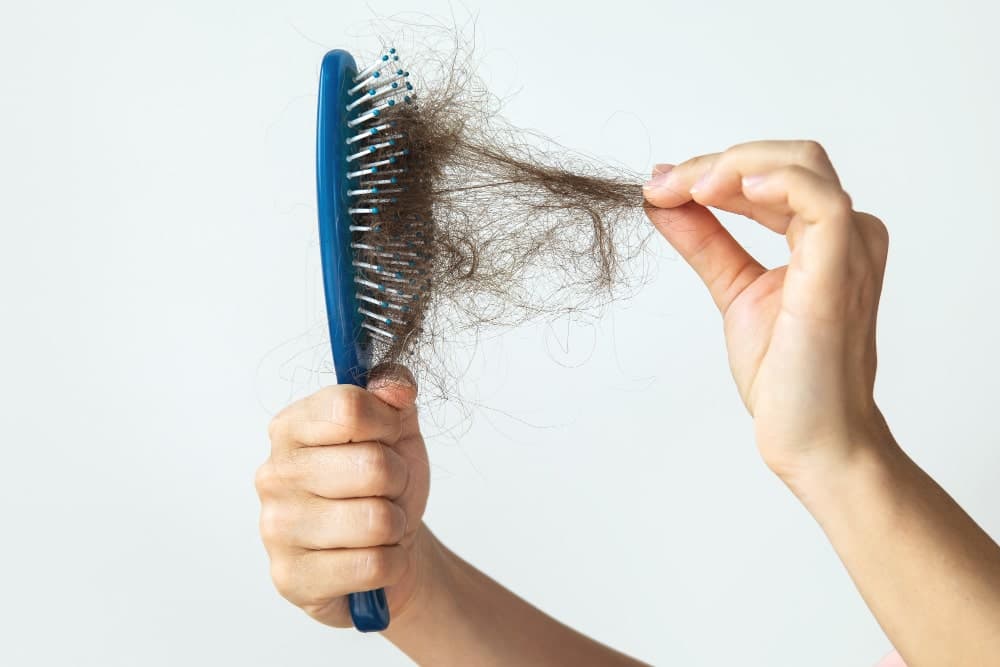
- Excessive hair shedding during brushing or showering
- A visibly widening part or receding hairline
- Thinning around the temples or crown
- Slower hair regrowth or finer hair texture
- Scalp irritation or increased dandruff
What You Can Do
If you're concerned that vaping might be contributing to your hair loss, the good news is that there are steps you can take:
Reduce or Quit Vaping
This is the most important step. Reducing your exposure to nicotine and other harmful chemicals can help improve circulation and reduce oxidative stress.
Support Your Scalp Health
Use gentle shampoos, avoid heat styling, and massage your scalp regularly to boost blood flow and stimulate follicles.
Improve Your Diet
Ensure you're getting enough iron, protein, biotin, and omega-3 fatty acids. Nutritional support is key to strong, healthy hair.
Seek Professional Guidance
A hair loss clinic, like ours, can provide in-depth assessments, blood tests, and tailored treatment plans to address the root cause of your hair thinning.
Consider Hair Transplantation
For those experiencing permanent or advanced hair loss, hair transplants offer a proven, long-term solution. Our team of experts specialises in natural-looking hair restoration tailored to your individual hair pattern and goals.
Conclusion
Vaping might be marketed as a safer alternative to smoking, but it still poses health risks including to your hair. While more research is needed to fully understand the link, the existing evidence suggests that vaping can disrupt the conditions necessary for healthy hair growth.
If you vape and are noticing signs of hair loss, taking action early is key. With the right support, including expert medical advice and advanced treatments like hair transplants, you can restore not just your hair but your confidence, too.
Concerned About Hair Loss from Vaping?
If you're worried that vaping may be affecting your hair, book a consultation with our specialist hair loss team today. We offer expert diagnosis, non-surgical treatments and advanced hair transplant solutions tailored to your needs.