
← Back to all blogsFUE
FUE Hair Transplants Explained: A Closer Look at the Technology Behind the Results
The Hair Dr·27 June 2026
When it comes to restoring hair, Follicular Unit Extraction (FUE) hair transplants have emerged as one of the most popular and advanced options. Known for their natural-looking results and minimally invasive approach, FUE transplants are preferred by those seeking a reliable, lasting solution to hair loss. But what exactly is FUE, and how does the technology behind it yield such impressive results? In this article, we’ll break down the technology, process, and benefits of FUE hair transplants to help you understand why this technique has become a gold standard in hair restoration.
What is FUE?
Follicular Unit Extraction (FUE)is a type of hair transplant technique that involves extracting individual hair follicles from the donor area, usually at the back or sides of the head, and implanting them into the recipient area where thinning or balding has occurred. This technique contrasts with older hair transplant methods, such as Follicular Unit Transplantation (FUT), which involves removing a strip of skin to harvest follicles. FUE is less invasive, results in minimal scarring, and allows for a quicker recovery, making it a preferred choice for many patients.The Technology Behind FUE Hair Transplants
The effectiveness of FUE lies in the precision of the extraction and implantation processes. Here's a closer look at the tools and technology that make this possible:- Punch Tools: FUE involves using a specialised punch tool to create tiny circular incisions around individual hair follicles. These tools are typically between 0.6 and 1.0 millimeters in diameter, allowing for precise extraction without causing significant damage to the surrounding tissue.
- Robotic Assistance: Some clinics use advanced robotic systems, such as the ARTAS system, which utilises AI technology to identify optimal follicles for extraction and placement. Robotic assistance can enhance accuracy, especially for large transplants, and speed up the procedure, helping reduce the overall time the patient spends in surgery.
- Micromotor Devices: Some surgeons prefer micromotor-assisted extraction tools. These handheld devices use micro-rotations to help with the extraction process, offering surgeons better control and precision. This can be particularly useful for extracting follicles from areas with varying hair angles or density.
- Magnification Tools: To ensure accuracy and protect the quality of each follicle, FUE procedures often rely on high-resolution magnification systems. By enhancing the surgeon's view, magnification ensures that only healthy follicles are selected for transplant, maximising the potential for successful growth.
The FUE Procedure Step-by-Step
Understanding each phase of the FUE hair transplant can shed light on how the technology comes together to create natural, long-lasting results.Step 1: Consultation and Planning
Before the procedure, the surgeon and patient work together to identify the treatment area and determine the number of grafts required. A detailed assessment of the patient’s hair type, density, and scalp health allows the surgeon to create a personalised treatment plan that takes into account the desired hairline, overall coverage, and aesthetic goals.Step 2: Donor Area Preparation
Once the plan is in place, the donor area (typically the back of the head) is shaved and sanitised. Local anaesthesia is applied to numb the area and ensure patient comfort. The precision of the FUE punch tool allows the surgeon to remove individual follicles without damaging nearby tissue.Step 3: Follicle Extraction
Using the punch tool or a robotic system, the surgeon carefully extracts follicles from the donor area. Each follicular unit generally contains 1-4 hairs. The individual nature of the extraction minimises visible scarring and allows the patient to maintain a natural look in the donor area post-recovery.Step 4: Recipient Area Preparation
Next, the surgeon prepares the recipient area by making tiny incisions where the follicles will be implanted. These incisions are made at specific angles and densities to mimic natural hair growth patterns, ensuring that the transplanted hair blends seamlessly with existing hair.Step 5: Follicle Implantation
Once both areas are ready, the surgeon implants each follicle into the recipient area. This stage requires significant skill and precision, as each follicle must be positioned to align with the natural direction of hair growth. The careful placement is key to achieving a natural, full look.Advantages of FUE Hair Transplants
FUE hair transplants offer several advantages over traditional methods, making them a popular choice for hair restoration. Here are some of the most compelling benefits:- Minimally Invasive: Unlike strip harvesting, FUE involves no large incisions, which reduces discomfort and speeds up recovery time.
- Natural-Looking Results: FUE’s precision allows for better placement of individual follicles, creating a more natural look that is difficult to achieve with older techniques.
- Minimal Scarring: FUE leaves tiny dot scars that are barely visible, even when the hair is cut short, which makes it a great option for those who prefer shorter hairstyles.
- Quicker Recovery: Patients typically experience minimal post-operative pain and swelling, allowing them to resume daily activities sooner than they would with more invasive procedures.
The Ideal Candidate for FUE
While FUE is a versatile hair restoration solution, it may not be suitable for everyone. Generally, the best candidates for FUE are those with sufficient hair in the donor area, no underlying scalp conditions, and realistic expectations about the outcomes. Those with extensive balding may need more sessions, or they might benefit from a combination of treatments to achieve optimal results.What to Expect After the Procedure
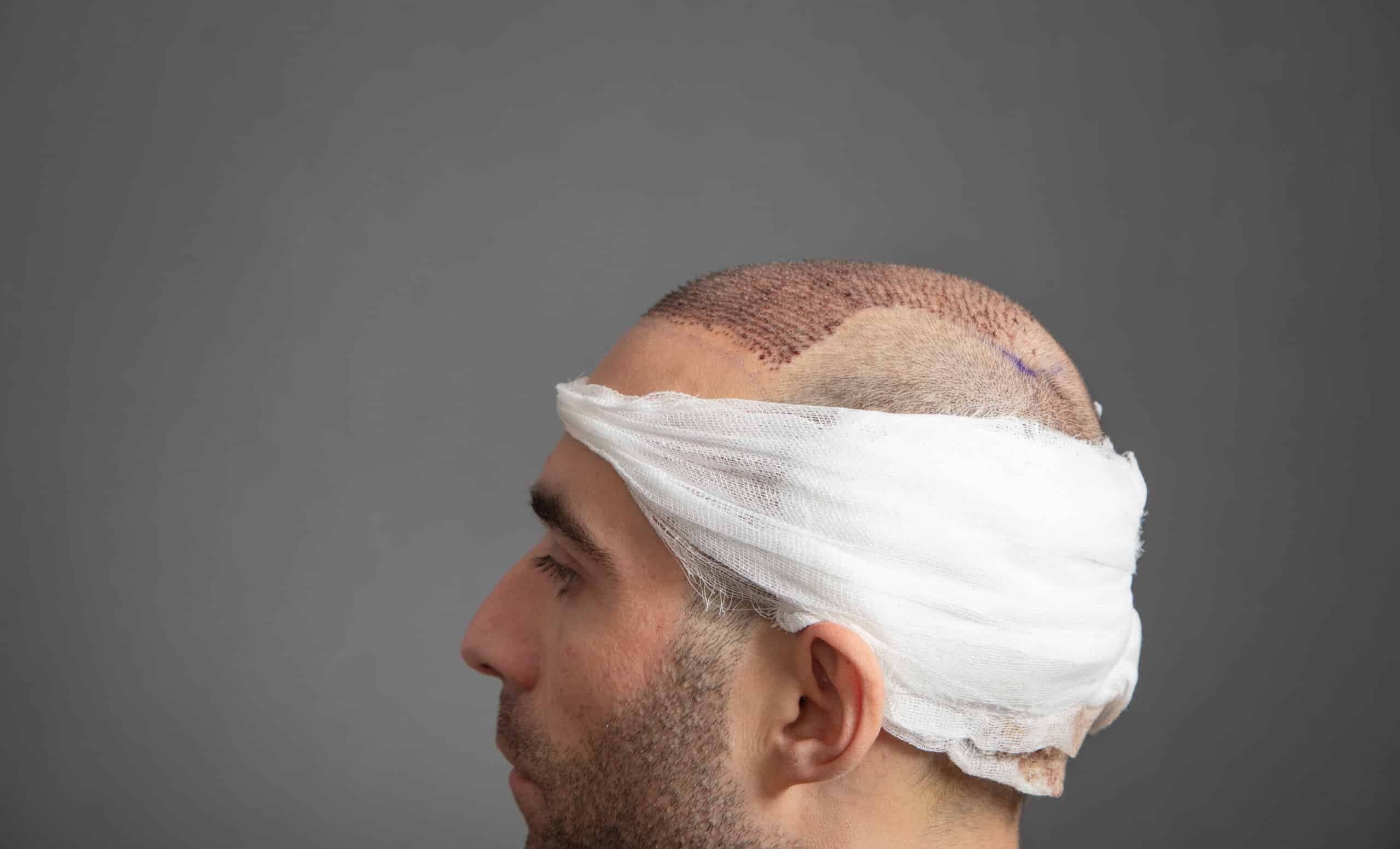
FUE hair transplants offer a relatively quick recovery. Most patients can return to light activities within a few days, though full healing can take a few weeks. Newly transplanted hair will initially shed within 2-3 weeks, followed by new growth, which becomes visible over the next 6-12 months.Is FUE Right for You?
Deciding on a hair transplant is a personal decision that should be made with the guidance of an experienced professional. FUE has proven to be an effective, low-risk option for those seeking a lasting solution to hair loss. The minimally invasive nature of FUE combined with advanced technology offers patients natural-looking results that age gracefully, making it an attractive option for men and women alike.Conclusion
Through precision tools, innovative technology, and skilled techniques, FUE offers a viable path to restoring hair and confidence alike. If you’re considering hair restoration, contact us today and we can provide you with insights into how this method can be tailored to your specific needs.FUEhair transplantThe Hair DrUK