
← Back to all blogsHair Transplant
How Many Hair Transplants Are Possible? What’s The Limit?
The Hair Dr·27 June 2026
Hair transplantation has transformed the lives of countless individuals seeking to restore their hairlines and confidence.
Understanding Hair Transplants
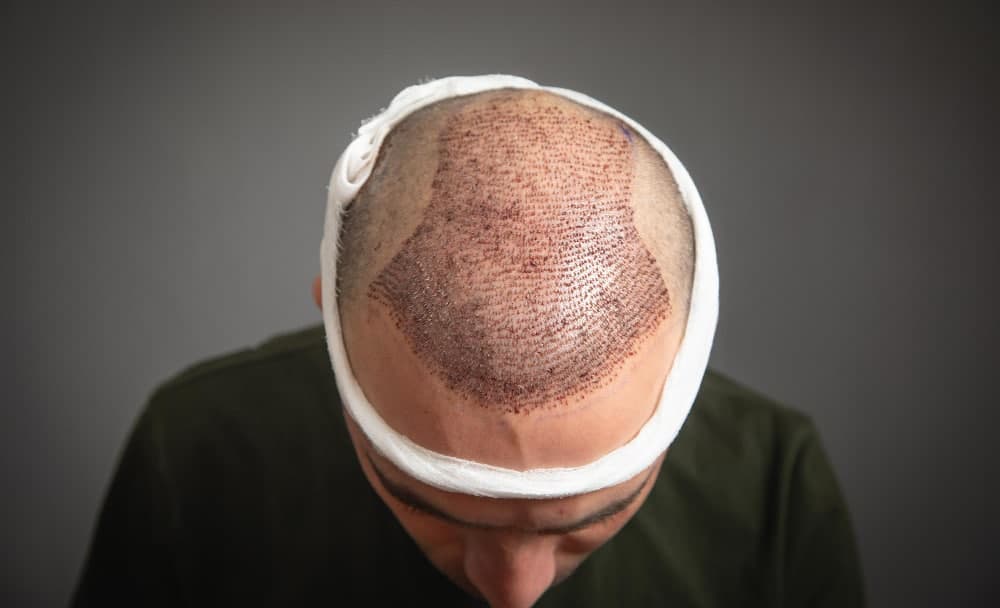
Hair transplantation involves harvesting hair follicles from a donor area—typically the back or sides of the head—and implanting them into areas experiencing hair loss. The two primary techniques are:- Follicular Unit Transplantation (FUT): A strip of scalp is removed from the donor area, and individual follicular units are separated and transplanted.
- Follicular Unit Extraction (FUE): Individual follicular units are directly harvested from the donor area using a punch tool.
What Determines the Limit?
While the idea of multiple hair transplants may sound appealing, several factors determine how many procedures you can safely undergo. Let’s break them down:Donor Hair Availability
Your donor area has a finite number of hair follicles. For most individuals, this number ranges from 4,000 to 7,000 grafts. These follicles are typically resistant to the effects of DHT (the hormone responsible for hair loss), making them ideal for transplantation. Each hair transplant harvests a portion of these follicles. The number of transplants you can undergo depends on the size of the balding area, how many grafts are used in each session, and how much donor hair remains after each procedure.Scalp Elasticity
For FUT procedures, scalp elasticity plays a significant role. If your scalp is tight, it may not be possible to safely remove multiple strips for grafts. Conversely, a more elastic scalp may allow for several FUT sessions.Healing and Scarring
Both FUE and FUT procedures result in scarring. FUT creates a linear scar, while FUE leaves tiny circular scars. Over time, excessive harvesting can cause visible thinning or scarring in the donor area, which might limit future procedures. A skilled surgeon can minimise this risk, but repeated transplants should be planned carefully.Hair Characteristics
The quality and characteristics of your hair—such as thickness, texture, and colour—impact how many transplants are needed to achieve a natural look. Thick, curly, or dark hair provides better coverage than fine, straight, or light-coloured hair, often requiring fewer grafts.Overall Health and Age
Your health plays a vital role in determining your eligibility for multiple transplants. Chronic illnesses, scalp conditions, or advanced age might limit your ability to undergo repeated procedures. A thorough consultation with a specialist can help assess your readiness.What’s the Practical Limit?
While there’s no strict rule, most individuals can safely undergo two to three hair transplants in their lifetime.- First Transplant: Typically focuses on addressing the most prominent balding areas, such as the hairline or crown.
- Second Transplant: May be done several years later to add density or address new areas of hair loss.
- Third Transplant: In rare cases, patients may opt for a third session to refine results or compensate for continued hair loss.
Planning for Long-Term Results
To maximise the number of hair transplants you can undergo, it’s essential to adopt a strategic approach:- Choose a Skilled Surgeon: The expertise of your surgeon greatly influences the success of each procedure and minimises unnecessary depletion of donor hair.
- Address Hair Loss Early: Early intervention with medications like finasteride or minoxidil can slow hair loss and preserve existing hair, reducing the need for extensive transplants.
- Space Out Procedures: Allow adequate time for healing and hair regrowth between transplants. This ensures better results and preserves donor area health.
- Consider Future Hair Loss: Hair loss is progressive, so planning for the long term ensures you’ll have sufficient donor hair for future needs.
Is There an Alternative to Multiple Transplants?
While hair transplantation is highly effective, alternatives such as scalp micropigmentation (SMP) or non-surgical treatments can complement or delay the need for additional surgeries. Discussing your goals with a hair restoration specialist can help determine the best combination of treatments.Take the First Step Toward Restoring Your Confidence
Every hair restoration journey is unique, and understanding your options is key to achieving the best results. Whether you’re considering your first hair transplant or planning a follow-up procedure, our team of experienced specialists is here to guide you every step of the way. Contact us today to schedule your free consultation and learn how we can help you achieve natural, long-lasting results.Hair Transplanthair transplantThe Hair DrUK