
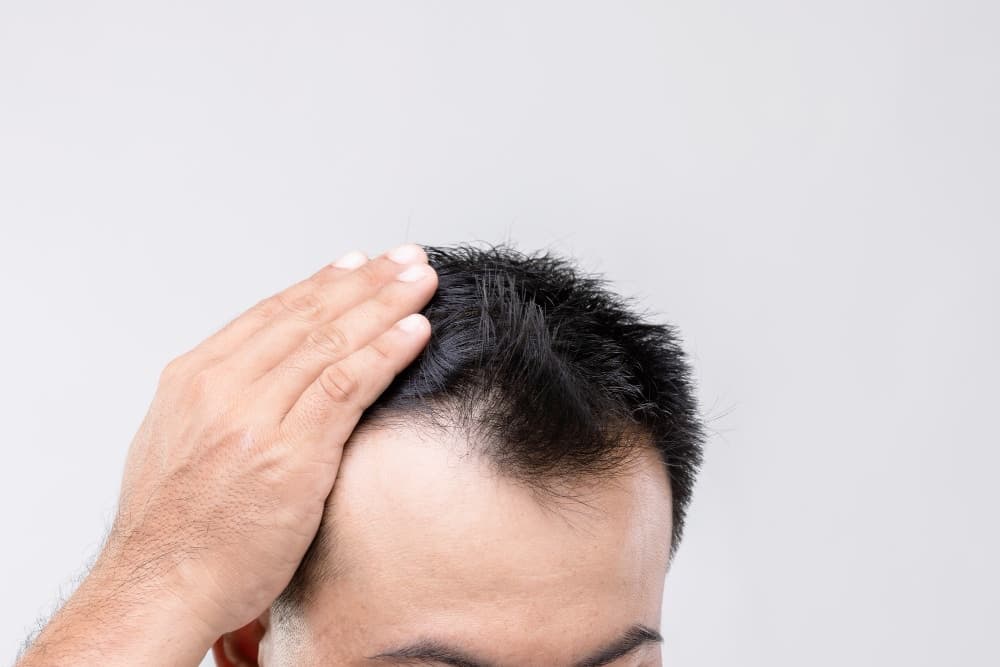
How to Prepare for Your Hair Transplant Surgery
Hair transplant surgery is a life-changing decision for many individuals dealing with hair loss. Whether you're choosing FUE (Follicular Unit Extraction) or FUT (Follicular Unit Transplantation), proper preparation is key to ensuring a smooth procedure and optimal results. If you’ve already booked your appointment or are seriously considering it, here’s a comprehensive guide on how to prepare physically and mentally for your hair transplant surgery.
Understand the Procedure
Before diving into the dos and don’ts, it's important to have a clear understanding of the procedure you're undergoing.
FUE involves extracting individual hair follicles and implanting them into thinning areas, while FUT removes a strip of scalp to harvest grafts. Both techniques have high success rates, but they differ in recovery time and scarring.
Speak to your surgeon about what to expect during the procedure, the number of grafts needed, the duration, and the aftercare plan. Being well-informed will help you manage your expectations and reduce anxiety.
Book a Consultation and Follow Pre-Op Instructions
Your first step should be to have a detailed consultation with a qualified hair transplant specialist. During this appointment:
- Share your full medical history
- Disclose any medications, supplements, or allergies
- Discuss your lifestyle habits (such as smoking or alcohol consumption)
Based on this, your surgeon will give you personalised pre-operative instructions. Be sure to follow these guidelines closely, as they are tailored to your individual needs.
Stop Taking Blood Thinners and Certain Supplements
Medications and supplements that thin the blood can increase the risk of bleeding during surgery. Typically, you’ll be advised to stop taking:
- Aspirin or anti-inflammatory medications (e.g., ibuprofen)
- Vitamin E
- Fish oil
- Herbal supplements like ginseng, ginkgo biloba, and garlic
This should be done at least 7 to 10 days prior to your surgery, but always consult your doctor before stopping any prescribed medication.
Avoid Smoking and Alcohol
Smoking impairs blood flow to the scalp, which can affect healing and graft survival. Alcohol can also thin the blood and interfere with anaesthesia. Most surgeons recommend avoiding both for at least one week before and after your surgery.
Quitting smoking even temporarily will dramatically improve your chances of a successful outcome so consider it an essential part of your preparation.
Prepare Mentally and Practically
Hair transplant surgery is usually done under local anaesthetic, so you’ll be awake during the procedure. Here are some practical ways to prepare:
- Take time off work: Most patients need a few days to a week to recover comfortably.
- Arrange transport: You won’t be able to drive yourself home due to sedation or post-op fatigue.
- Stock up on essentials: Prepare ice packs, gentle shampoos (as recommended), and button-up shirts to avoid disturbing your scalp post-surgery.
- Plan for downtime: Avoid strenuous exercise or heavy lifting for about a week after the procedure.
Taking care of these details ahead of time will help reduce stress on the day of surgery.
Wash Your Hair the Night Before
On the evening before surgery, wash your hair thoroughly using a mild shampoo. Avoid applying any gels, sprays, or styling products afterward. A clean, product-free scalp is crucial to reduce the risk of infection and ensure your surgeon has a clear view of the donor and recipient areas.
Get a Good Night’s Sleep
While it might be natural to feel anxious, do your best to get a good night’s sleep before surgery. Being well-rested helps your body cope better with the procedure and improves recovery.
Avoid caffeine or heavy meals late at night, and aim to relax with a book, music, or meditation if you’re feeling nervous.
Wear Comfortable Clothing on the Day
On the day of your procedure, wear loose, comfortable clothing—preferably a shirt that buttons down the front. Avoid tight tops or anything that has to be pulled over your head, as this could disturb your scalp post-surgery.
Ask Questions and Voice Concerns
If you’re unsure about anything, don’t hesitate to ask your surgeon or clinic staff. It’s better to clarify your doubts beforehand than to be caught off guard. Whether it’s about pain management, aftercare, or timelines for seeing results ask away.
A trustworthy clinic will always take the time to reassure and inform you.
Conclusion
Preparing for a hair transplant doesn’t have to be overwhelming. By understanding the process, following medical advice, and making practical arrangements ahead of time, you can approach your surgery with confidence. Remember, the steps you take before the procedure play a crucial role in how well you heal and how natural your final results will look.
Ready to Take the Next Step?
If you're considering a hair transplant, our experienced team is here to guide you every step of the way. Book your free consultation today and let us help you regain your confidence with a tailored treatment plan.