
← Back to all blogsHair Loss
How women’s hair changes as she ages
The Hair Dr·27 June 2026
Hair is often seen as a symbol of beauty, youth, and vitality, but as we age, it undergoes changes that can be both surprising and sometimes distressing. For many women, the transition from thick, full hair to thinning strands or greying locks can be a source of concern. Understanding the natural changes that occur in women's hair as they get older can help to ease these worries and equip you with the knowledge to manage these changes effectively.
The Natural Ageing Process of Hair
As we age, our hair naturally undergoes a series of transformations. These changes are influenced by various factors, including genetics, hormones, lifestyle, and overall health. The following are some of the most common ways women’s hair changes over the years.Thinning Hair and Hair Loss
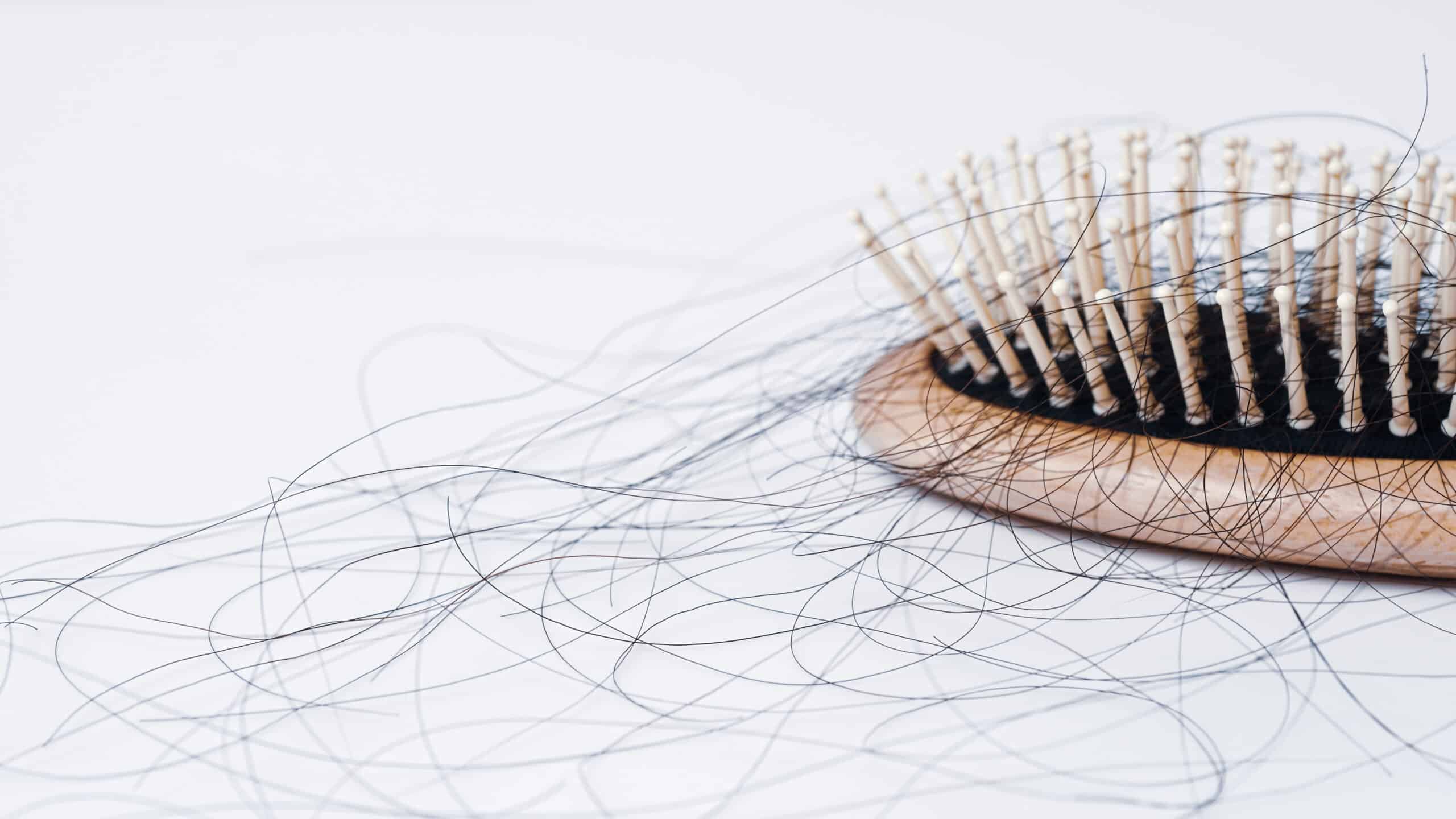
One of the most noticeable changes women experience as they age is hair thinning or hair loss. This is often due to a combination of factors, such as hormonal fluctuations, genetic predisposition, and the natural ageing process. Estrogen, a hormone that plays a significant role in maintaining hair growth, begins to decrease as women age, especially during menopause. This reduction in estrogen levels can lead to hair becoming thinner and more fragile. Hair loss can also occur due to a condition called female pattern baldness (androgenetic alopecia), which affects many women as they age. This condition causes a gradual thinning of the hair, typically starting at the crown and spreading outward. It is more common in women after menopause but can occur earlier, depending on genetic factors.Changes in Hair Texture
Along with thinning, many women notice changes in the texture of their hair as they get older. Hair that was once smooth and silky may become more coarse or brittle. This is because the production of sebum (the natural oil that keeps hair moisturised) decreases with age, leading to dry, lacklustre hair. As a result, hair may become more prone to frizz and breakage, making it harder to manage. Additionally, hair can lose its natural shine as it ages. This is partly due to the reduction in melanin production, which is responsible for giving hair its colour and vibrancy. As melanin levels decrease, hair may become dull and lifeless, even before it begins to grey.Grey Hair
The most visible sign of ageing hair is, of course, the appearance of grey or white strands. As we age, the melanocytes (cells that produce melanin) in our hair follicles gradually decrease in number and function. Without the pigment provided by melanin, hair begins to lose its colour, resulting in grey or white hair. For some women, this process begins in their 30s or 40s, while others may experience it later in life. The rate at which grey hair appears varies greatly from person to person, influenced by genetics, lifestyle, and environmental factors. Some women embrace their grey hair, while others choose to colour their hair to maintain their youthful appearance. Either way, the arrival of grey hair is a natural part of the aging process.Scalp Changes
As women age, changes in the scalp can also impact the health and appearance of their hair. A decrease in the production of sebum can lead to a drier scalp, which may result in itching or flakiness. Additionally, as the skin on the scalp loses elasticity and becomes thinner over time, it can make hair follicles weaker, contributing to further thinning. Women may also experience an increase in scalp sensitivity as they age. Hormonal changes, particularly during menopause, can cause the scalp to become more prone to irritation, dryness, and discomfort. It’s essential to use gentle, nourishing hair care products to protect both the scalp and hair during this stage.Slower Hair Growth
Another common change is a slowing down of hair growth. While hair typically grows about half an inch per month during youth, as we age, this rate tends to slow down. Hair may not grow as quickly or as thickly, and it may take longer to reach the desired length. This can be particularly frustrating for women who are used to having long, voluminous hair. The slower growth rate is largely due to a reduction in the activity of hair follicles as we age. These follicles may enter the resting phase of the hair growth cycle for longer periods, meaning less hair is in the active growth phase at any given time.Hormonal Changes and Their Impact on Hair
Hormonal shifts are perhaps the most significant factor in how women’s hair changes over time. During puberty, hair tends to become thicker and fuller due to an increase in sex hormones like estrogen. However, as women approach menopause, hormonal fluctuations can have the opposite effect. The decrease in estrogen and an increase in androgens (male hormones) can lead to hair thinning, particularly around the crown of the head. Pregnancy and childbirth can also affect hair growth. Many women experience thicker, fuller hair during pregnancy due to the surge in hormones, but hair often returns to its normal state after childbirth, leading to hair shedding.How to Care for Your Hair as You Age
While these changes in hair texture, thickness, and colour are a natural part of ageing, there are several ways to care for your hair and manage the impact of these changes.- Maintain a Healthy Diet: Eating a balanced diet rich in vitamins and minerals, such as vitamin E, biotin, and omega-3 fatty acids, can help to support hair health and promote growth.
- Use Gentle Hair Care Products: Opt for shampoos and conditioners that are free of harsh chemicals and designed to nourish thinning or damaged hair. Look for products with moisturising ingredients to combat dryness.
- Embrace Protective Hairstyles: Consider using protective hairstyles to reduce stress on your hair, such as braids or up dos, to prevent breakage.
- Consult a Professional: If you are concerned about hair loss or thinning, consulting a hair specialist or dermatologist can help you identify potential underlying causes and develop a tailored hair care plan.
Hair Losshair transplantThe Hair DrUK