← Back to all blogsMedication
Is a Hair Transplant Done Under General Anaesthesia?
The Hair Dr·27 June 2026
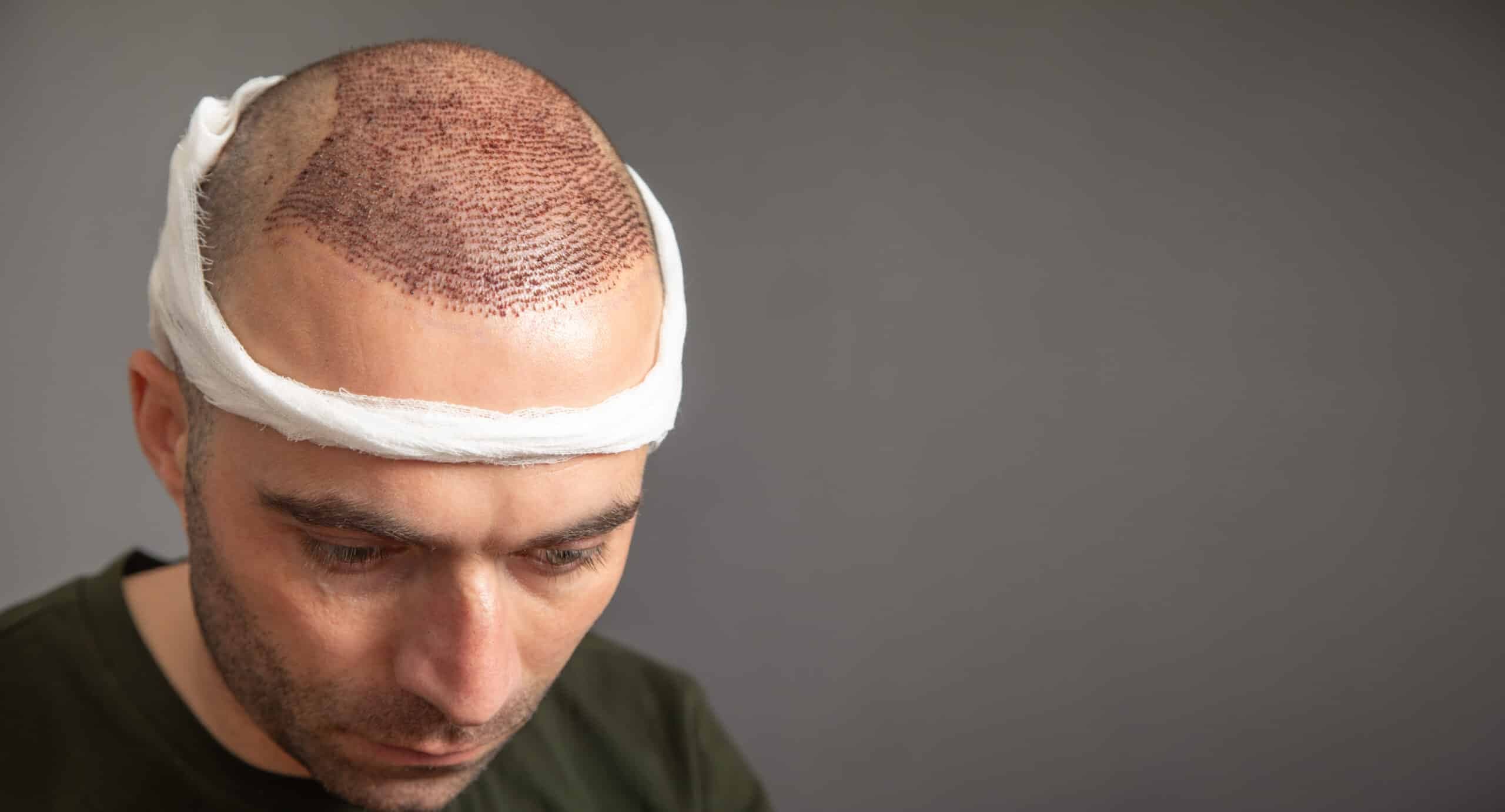
A hair transplant is a popular and effective solution for hair loss, but many prospective patients wonder whether the procedure requires general anaesthesia. The short answer is no—hair transplants are typically performed under local anaesthesia rather than general anaesthesia. In this article, we will explore why general anaesthesia is not usually needed, how local anaesthesia is used, and what patients can expect during the procedure.
Why General Anaesthesia Is Not Used for Hair Transplants
Unlike major surgical procedures, hair transplants are minimally invasive. The two main techniques, Follicular Unit Extraction (FUE) and Follicular Unit Transplantation (FUT), involve precise graft extraction and implantation but do not require deep surgical intervention. Because of this, general anaesthesia is unnecessary and could introduce unnecessary risks. General anaesthesia places a patient into a completely unconscious state, requiring breathing assistance and close monitoring. Since hair transplantation is a relatively comfortable procedure with minimal pain, using general anaesthesia would be excessive and carry risks such as nausea, dizziness, and longer recovery times.How Local Anaesthesia Is Used in Hair Transplants
Instead of general anaesthesia, local anaesthesia is used to numb the donor and recipient areas of the scalp. This ensures that the patient remains fully conscious but experiences no pain during the procedure. The process typically involves:- Administering a Numbing Injection: A small needle is used to inject an anaesthetic, such as lidocaine, into the scalp.
- Mild Discomfort for a Few Seconds: Patients may feel a brief stinging sensation during the injection, similar to a routine dental procedure.
- Complete Numbness in the Treated Area: Once the anaesthetic takes effect, the patient will not feel pain but will remain awake and aware.
Advantages of Local Anaesthesia in Hair Transplants
Using local anaesthesia rather than general anaesthesia offers several benefits:- Shorter Recovery Time: Patients can leave the clinic shortly after the procedure without the grogginess associated with general anaesthesia.
- Lower Risk of Complications: General anaesthesia carries risks such as allergic reactions and breathing issues, which are avoided with local anaesthesia.
- More Comfortable and Safer Experience: Patients remain conscious, allowing for better communication with the surgeon if needed.
- Cost-Effective: Avoiding general anaesthesia reduces overall procedure costs since no hospital stay or anaesthesiologist is required.
What to Expect During a Hair Transplant with Local Anaesthesia
Many patients worry about feeling discomfort during the procedure, but the use of local anaesthesia ensures a pain-free experience. Here’s what to expect:- Pre-Procedure Preparation: The surgeon marks the treatment areas and administers local anaesthesia.
- Donor Hair Extraction: In FUE, individual hair follicles are removed, while in FUT, a strip of scalp is taken from the back of the head.
- Recipient Site Preparation: Tiny incisions are made in the balding areas where the follicles will be implanted.
- Graft Placement: The extracted follicles are carefully inserted into the recipient area.
- Completion and Aftercare Instructions: The patient is provided with post-procedure care guidelines before being discharged.
Conclusion
A hair transplant is typically performed under local anaesthesia, ensuring a pain-free and safe procedure without the risks of general anaesthesia. If you have concerns about discomfort or anxiety during the surgery, mild sedation can be an option to make the experience even more comfortable. If you’re considering a hair transplant and want to learn more about the procedure, contact us today. Our expert team is here to guide you through the process and help you achieve your hair restoration goals with confidence.Medicationhair transplantThe Hair DrUK