
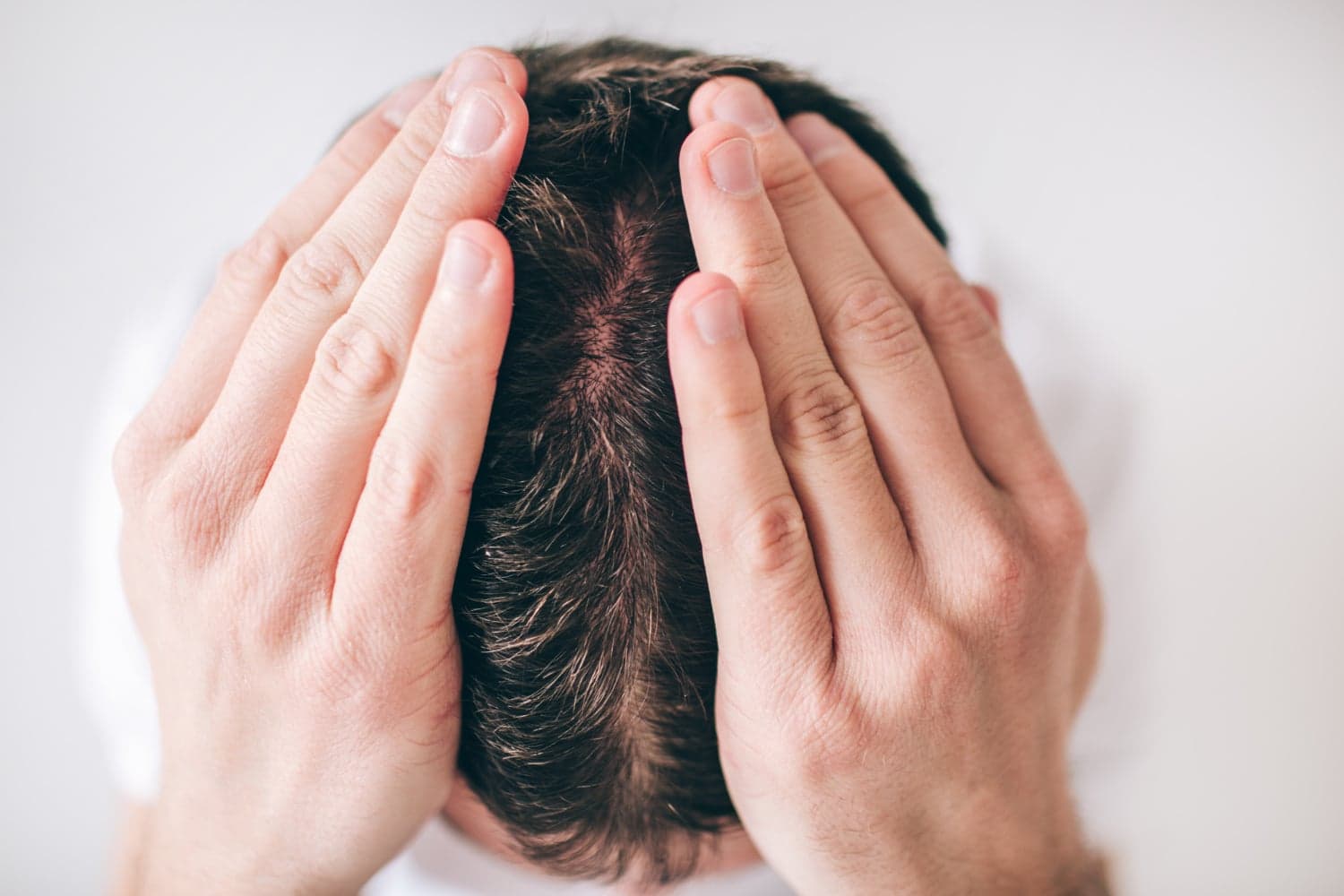
Is Hair Loss Reversible? Exploring Your Options
Hair loss is a concern that affects millions of men and women worldwide. While losing a few strands each day is a natural part of the hair growth cycle, significant hair thinning or bald patches can be distressing. If you’re grappling with this issue, you may be wondering: is hair loss reversible? The good news is that, in many cases, hair loss can be treated effectively. This article will explore the causes of hair loss, potential treatments, and what you can do to restore your confidence.
What Causes Hair Loss?
Hair loss can result from various factors, including genetics, age, hormonal changes, and lifestyle influences. Understanding the root cause is key to determining if and how it can be reversed.
Genetic Factors (Androgenetic Alopecia)
One of the most common causes of hair loss is androgenetic alopecia, also known as male or female pattern baldness. This condition is hereditary and leads to gradual hair thinning over time. Men typically experience a receding hairline and bald patches on the crown, while women notice overall thinning on the top of the scalp.
Hormonal Changes
Hormonal imbalances caused by pregnancy, menopause, thyroid issues, or conditions like polycystic ovary syndrome (PCOS) can lead to temporary hair loss. These fluctuations often affect the hair's growth phase, leading to shedding.
Stress and Lifestyle Factors
High stress, poor diet, insufficient sleep, and certain medications can contribute to hair loss. Traction alopecia, caused by hairstyles that pull on the hair, is another preventable form of hair loss.
Medical Conditions
Underlying health issues such as alopecia areata (an autoimmune disorder), scalp infections, or chronic illnesses can also result in hair loss.
Is Hair Loss Reversible?
The possibility of reversing hair loss depends largely on the underlying cause. Some types of hair loss are more amenable to treatment than others.
Temporary Hair Loss
Conditions such as telogen effluvium (a temporary shedding caused by stress or illness) and postpartum hair loss usually resolve on their own once the triggering factor is addressed. In these cases, hair regrowth typically begins within a few months, provided there is no ongoing stress or deficiency.
Hormonal and Medical-Related Hair Loss
If hormonal imbalances or medical conditions are to blame, treating the root cause can often lead to hair regrowth. For instance, managing thyroid dysfunction or addressing iron deficiency anaemia can significantly improve hair health.
Reversing Androgenetic Alopecia
Androgenetic alopecia is more challenging to treat, but progress is possible. Early intervention is crucial. Treatments such as topical minoxidil, oral finasteride (for men), and low-level laser therapy can slow down or, in some cases, partially reverse hair thinning.
Effective Hair Loss Treatments
Modern science and technology offer several treatment options to help combat hair loss.
Medications
Minoxidil (available over-the-counter) is a topical treatment proven to stimulate hair regrowth and slow further loss. Finasteride, a prescription medication, blocks the hormone responsible for hair follicle shrinkage in men. Both treatments require continuous use for sustained results.
Platelet-Rich Plasma (PRP) Therapy
PRP therapy involves injecting concentrated platelets from your own blood into the scalp to stimulate hair follicles and promote regrowth. It’s a popular choice for those seeking a non-surgical solution.
Hair Transplant Surgery
For advanced hair loss, surgical options such as follicular unit extraction (FUE) or follicular unit transplantation (FUT) can provide permanent results. These procedures involve moving healthy hair follicles from one area of the scalp to the thinning areas.
Lifestyle Changes
Improving your diet, managing stress, and adopting gentle hair care practices can significantly impact your hair’s health. Eating a balanced diet rich in vitamins and minerals, including iron, biotin, and zinc, supports strong and healthy hair.
What Should You Do Next?
If you’re noticing thinning hair or bald patches, early intervention is key. Consulting a specialist can help determine the underlying cause and the best course of action for your situation.
Take Action for Healthier Hair
Hair loss can be a difficult experience, but with the right treatment and support, you can regain your confidence. Our team of experienced professionals specialises in diagnosing and treating hair loss with personalised solutions tailored to your needs. Don’t wait to take the first step towards restoring your hair and confidence. Contact us today for a consultation and explore your options for hair restoration. Let us help you achieve the healthy, full hair you deserve!