
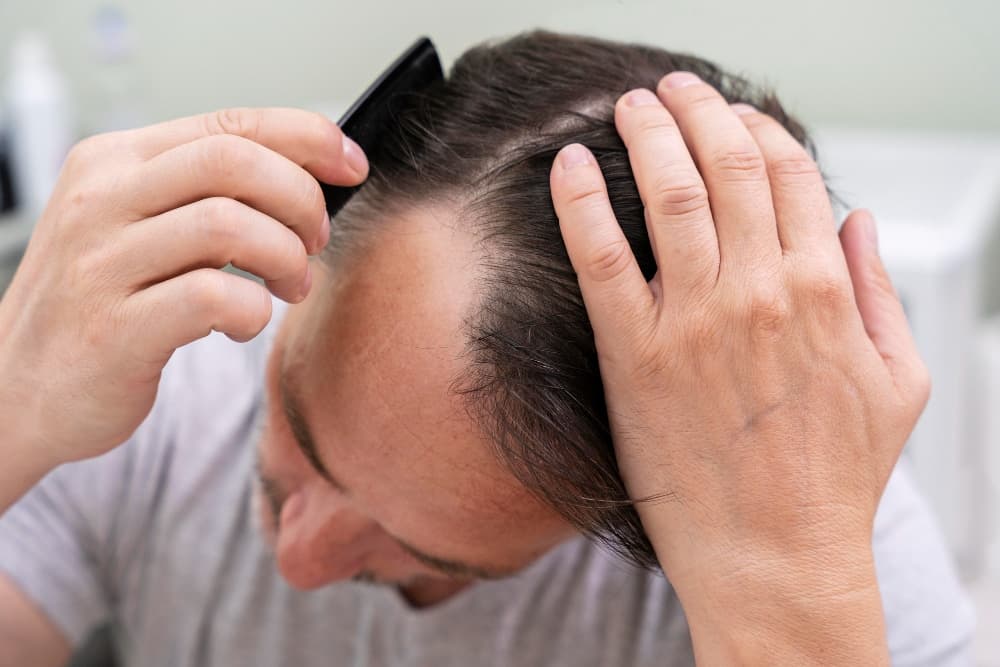
Professional Tips On How To Cure Baldness and Regrow Hair
Hair loss is a challenge faced by millions of people worldwide. While some may embrace the look, others try to regain their hair and confidence. Fortunately, advances in science, natural remedies, and lifestyle strategies have provided a wealth of solutions. Below, we share professional tips on how to combat baldness and promote hair regrowth.
Understanding Hair Loss: Causes and Types
What Causes Hair Loss?
Hair loss can result from several factors, including:
- Genetics: Hereditary hair loss, known as androgenetic alopecia, is the most common cause.
- Hormonal Imbalances: Conditions like thyroid dysfunction or pregnancy can trigger hair thinning.
- Stress: Physical or emotional stress can lead to temporary hair shedding, also known as telogen effluvium.
- Nutritional Deficiencies: Lack of essential nutrients like iron, zinc, and biotin can weaken hair follicles.
- Lifestyle Factors: Overuse of heat styling tools, harsh hair products, and poor scalp hygiene can exacerbate hair loss.
Types of Hair Loss
- Androgenetic Alopecia: Male and female pattern baldness.
- Alopecia Areata: Autoimmune-related patchy hair loss.
- Traction Alopecia: Resulting from tight hairstyles.
- Telogen Effluvium: Temporary shedding due to stress or health changes.
Effective Professional Treatments for Baldness
Minoxidil (Rogaine)
This FDA-approved topical treatment is widely recommended for androgenetic alopecia. Minoxidil works by stimulating blood flow to the hair follicles, encouraging regrowth. It’s effective for both men and women but requires consistent use for visible results.
Finasteride (Propecia)
A prescription oral medication primarily for men, finasteride blocks the hormone dihydrotestosterone (DHT), which contributes to hair follicle shrinkage. Regular use can slow hair loss and promote regrowth.
Platelet-Rich Plasma (PRP) Therapy
PRP therapy involves drawing a patient’s blood, extracting growth-factor-rich plasma, and injecting it into the scalp. This method stimulates follicle activity and improves hair density.
Hair Transplant Surgery
For advanced hair loss, hair transplants offer a permanent solution. Procedures like Follicular Unit Extraction (FUE) and Follicular Unit Transplantation (FUT) transfer hair follicles from donor areas to thinning regions.
Laser Therapy
Low-level laser therapy (LLLT) devices emit light to stimulate hair growth by improving cellular activity in the scalp. It's a non-invasive, painless option suitable for many.
Natural Remedies to Encourage Hair Regrowth
Scalp Massage with Essential Oils
Regular scalp massage boosts circulation and promotes healthier hair follicles. Essential oils like rosemary, peppermint, and lavender have shown promising effects in improving hair growth.
Onion Juice
Rich in sulfur, onion juice nourishes hair follicles, reduces inflammation, and promotes regrowth. Apply it to the scalp, leave it for 15–20 minutes, and rinse thoroughly.
Aloe Vera
Known for its soothing properties, aloe vera can reduce scalp inflammation and unclog blocked follicles. Apply fresh aloe gel to your scalp twice a week for optimal results.
Balanced Diet
A diet rich in biotin, zinc, iron, and omega-3 fatty acids supports hair health. Include foods like eggs, spinach, nuts, and fatty fish for better follicle function.
Avoid Harsh Hair Products
Switch to sulfate-free shampoos and conditioners that are gentle on your scalp and hair. Opt for products with natural, nourishing ingredients.
Lifestyle Adjustments to Support Hair Growth
Manage Stress
High stress levels disrupt hair growth cycles. Incorporate mindfulness techniques such as yoga, meditation, or deep-breathing exercises to reduce stress.
Get Enough Sleep
Your body repairs and regenerates itself during sleep, including hair cells. Aim for 7–8 hours of quality sleep per night to support healthy hair growth.
Protect Hair from Environmental Damage
Use hats or scarves to shield your hair from excessive sun exposure or pollution. Regularly wash your hair to remove dirt and debris.
Stay Hydrated
Dehydration can make hair brittle and more prone to breakage. Drink at least 8 glasses of water daily to keep your hair and scalp healthy.
Stop Smoking and Limit Alcohol
Smoking impairs blood flow to the scalp, while excessive alcohol can deplete essential nutrients needed for hair health. Cutting down on these habits can significantly improve hair quality.
When to Consult a Specialist
If your hair loss persists despite trying remedies and lifestyle changes, consult a dermatologist or trichologist. A professional can diagnose the underlying cause and recommend personalised treatments for optimal results. Regrowing hair and addressing baldness requires patience and a multi-faceted approach. By combining professional treatments, natural remedies, and healthy habits, you can restore your hair’s vitality and regain confidence.
Ready to Start Your Hair Regrowth Journey?
Don't wait to take control of your hair health. Schedule a consultation with us today.