
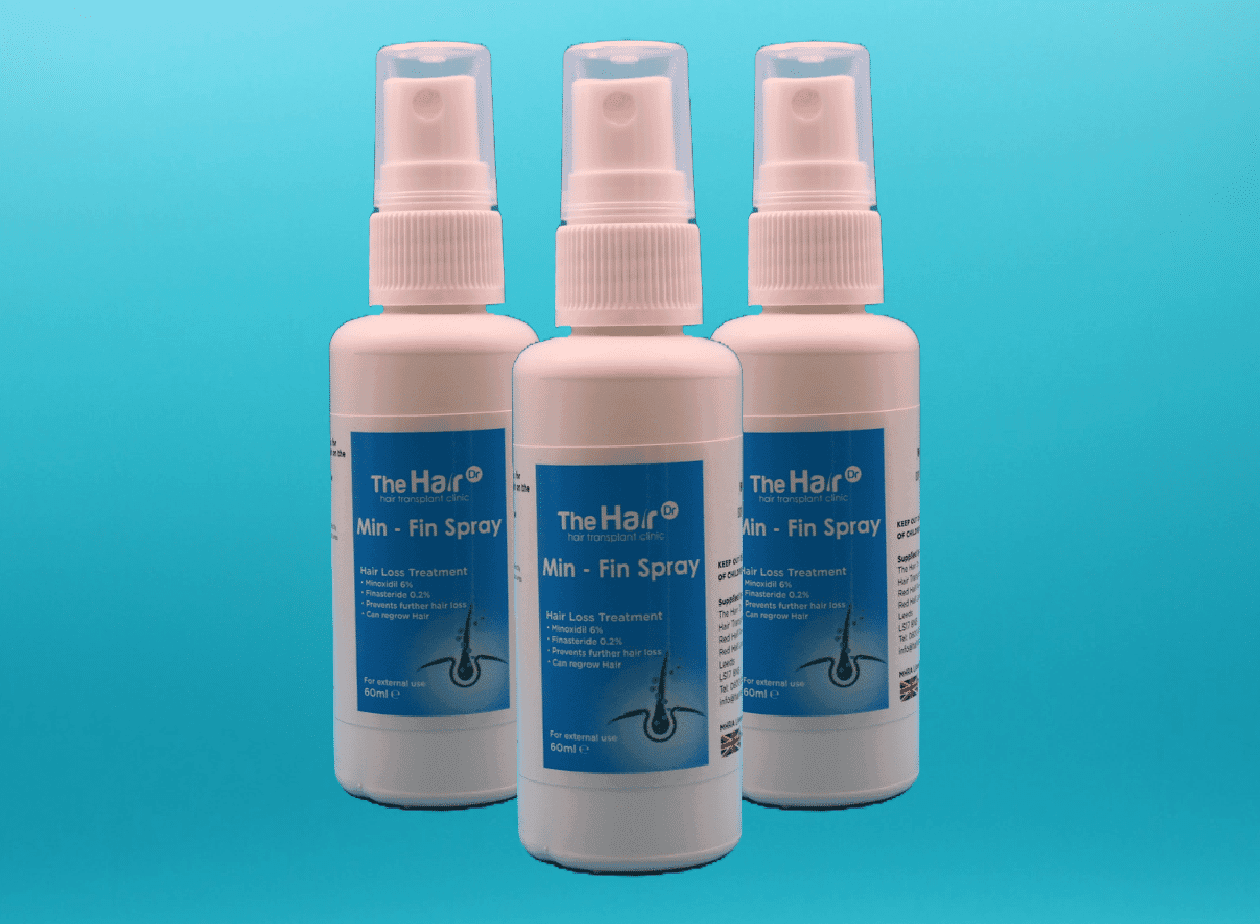
The Ultimate Guide to Minoxidil: Benefits, Uses, and What to Expect
Hair loss can be a frustrating experience for many, impacting confidence and self-esteem. One of the most popular treatments available today is minoxidil, a topical solution that has shown promising results for various types of hair loss. Whether you’re considering minoxidil for the first time or are simply curious about its benefits and potential side effects, our guide covers everything you need to know about this powerful hair growth solution.
What Is Minoxidil?
Minoxidil was initially developed in the 1960s as an oral medication for high blood pressure. Surprisingly, one of the noted side effects of minoxidil was increased hair growth. Recognising this unique benefit, scientists developed a topical form of the medication to directly target hair loss on the scalp. Today, minoxidil is available over the counter in both liquid and foam forms and is commonly used to treat hair thinning and hair loss in men and women.
Benefits of Minoxidil
Proven Hair Growth
Minoxidil is clinically proven to stimulate hair growth in both men and women. By promoting blood flow to the scalp, it provides hair follicles with essential nutrients and oxygen, encouraging dormant hair follicles to enter an active growth phase. Studies have shown that minoxidil can increase hair density and slow down hair loss, particularly in individuals with pattern baldness.
Prevents Further Hair Loss
One of minoxidil's primary benefits is its ability to halt hair loss progression. Consistent application can slow the hair loss process, making it an effective solution for those who want to maintain the hair they currently have. While not a complete cure for baldness, it can significantly extend the life cycle of existing hair.
Minimal Side Effects
Compared to other hair loss treatments, minoxidil has relatively mild side effects for most users. Common side effects include mild scalp irritation, dryness, or itching, which can usually be managed with proper care. Most users tolerate minoxidil well, and the risk of serious side effects is low when used as directed.
How Minoxidil Works: The Science Behind It
Minoxidil works primarily by widening the blood vessels around hair follicles, improving blood circulation to the scalp. This increased blood flow delivers more nutrients to the follicles, allowing them to function more efficiently. This effect, in turn, helps lengthen the anagen (growth) phase of the hair cycle, allowing the hair to grow longer and thicker before it sheds. Furthermore, minoxidil is thought to stimulate the hair follicles to produce new hair in previously inactive areas. It does this by influencing potassium channels in the hair follicles, promoting the re-growth of hair in thinning or balding areas. However, it’s essential to understand that minoxidil does not change the underlying cause of genetic hair loss. Rather, it delays the process and helps retain hair density for a longer time.
How to Use Minoxidil
- Clean and Dry Scalp: Apply minoxidil to a clean, dry scalp. This ensures maximum absorption and reduces the risk of irritation.
- Apply Twice Daily (for Best Results): Most experts recommend applying minoxidil twice daily, usually in the morning and evening, to maximise its effectiveness.
- Massage It In: Gently massage the product into the scalp. This helps stimulate blood flow and promotes absorption of the solution or foam.
- Allow Time to Absorb: Avoid washing your hair or scalp for at least four hours after application, allowing the minoxidil enough time to be fully absorbed.
- Be Consistent: Consistency is key. Skipping applications or stopping altogether will result in diminished benefits.
- Results Take Time: Most people start seeing results after three to six months. Hair growth is a slow process, so patience is necessary.
Who Should Use Minoxidil?
Minoxidil is typically effective for those experiencing androgenetic alopecia, the most common cause of hair loss in men and women. It can also be used by people with other forms of hair loss, such as telogen effluvium, but its effectiveness may vary. People who notice progressive thinning or receding should consider starting treatment early, as minoxidil is more effective in the initial stages of hair loss.
What to Expect: Timeline and Potential Side Effects
1-3 Months: Initial Shedding
It’s normal to experience an increase in hair shedding in the first few weeks. This initial shedding occurs as minoxidil pushes weaker, thinner hair out to make room for thicker, stronger hair.
3-6 Months: Visible Growth
At this stage, you may start to notice fine hairs growing in previously thinning areas. While growth is slow, this early sign of progress indicates that the treatment is working.
6-12 Months: Noticeable Improvement
For many users, the six-month mark is when significant changes in hair thickness and density are observed. However, continued use is essential to maintain these results.
Common Side Effects
While minoxidil is generally safe, some users may experience minor side effects such as scalp irritation, itching, or dryness. In rare cases, people may notice an increase in facial hair growth or an allergic reaction. Discontinue use if you experience severe reactions, and consult a healthcare professional.
Tips for Maximising Minoxidil’s Effectiveness
- Start Early: Minoxidil is most effective when used early in the hair loss process.
- Stay Consistent: Use the product as directed, and avoid skipping applications.
- Choose the Right Strength: Minoxidil comes in 2% and 5% concentrations. The 5% solution is generally more effective but may cause more irritation. Women are typically advised to use the 2% formula unless otherwise directed by a healthcare provider.
- Combine with Other Treatments: For more severe hair loss, consider combining minoxidil with other treatments such as finasteride (for men) or supplements like biotin and zinc. However, always consult with a healthcare provider before adding new treatments.
Is Minoxidil Right for You?
Minoxidil can be an effective solution for many people struggling with hair loss. It’s affordable, readily available, and has a proven track record of stimulating hair growth and slowing down hair loss. However, it’s important to remember that minoxidil isn’t a miracle cure. Results vary from person to person, and consistency is crucial for long-term effectiveness. If you’re dealing with early signs of hair loss, minoxidil might be worth trying. But consult a healthcare professional if you have concerns or if you’re dealing with more extensive hair loss. With a proper approach and realistic expectations, minoxidil can be a valuable tool in your hair care routine, helping you regain confidence and fuller, thicker hair. Contact us today for more information