
What are the common signs of balding?
Balding, or hair thinning, is a natural process that affects many people over time. Whether it’s genetic or caused by other factors, recognising the signs of balding early can help you take action before the situation worsens. In this blog post, we will explore the most common signs of balding, so you can identify if you’re experiencing hair loss and what steps you can take next.
Thinning Hair on the Crown
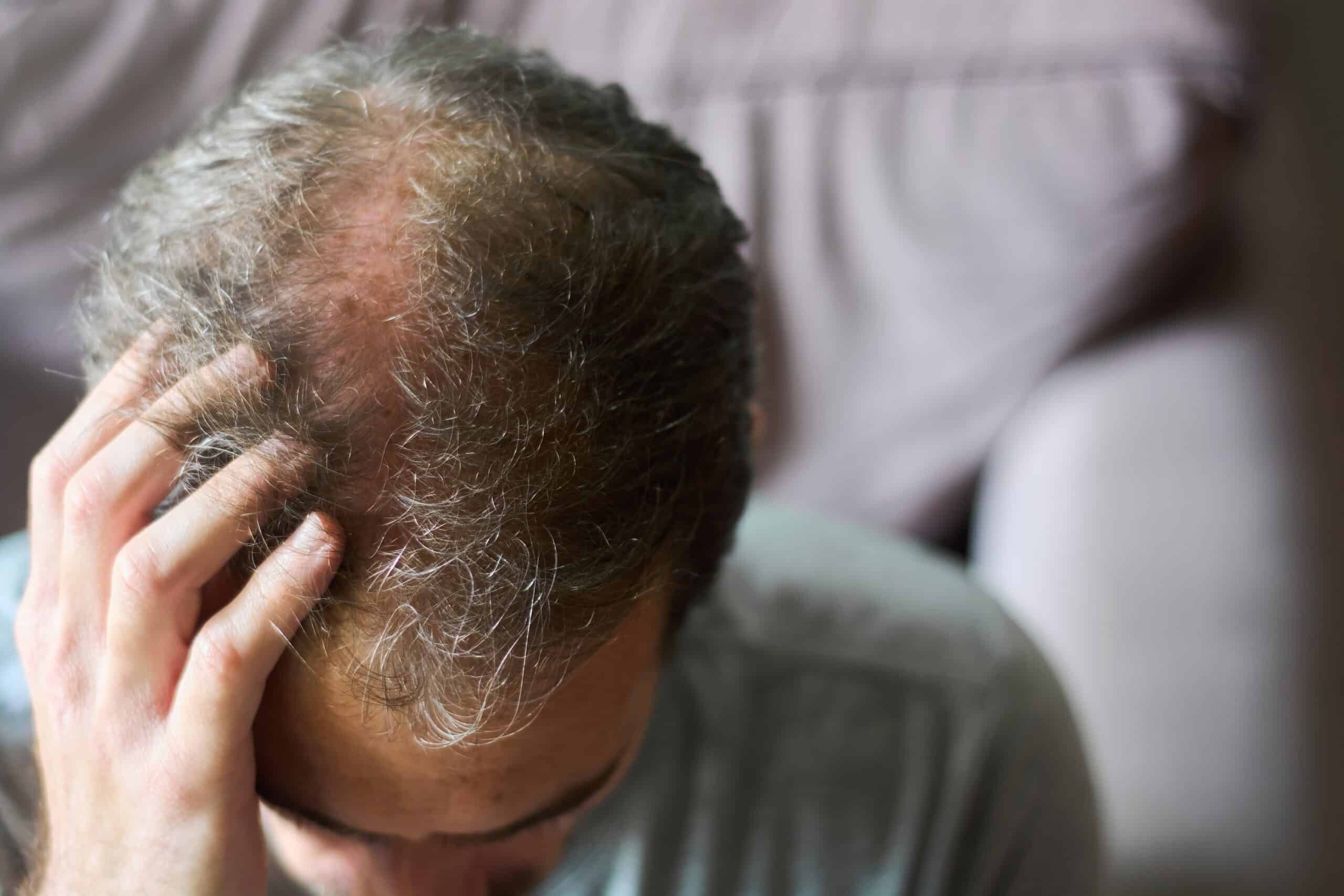
One of the first and most noticeable signs of balding is thinning hair on the crown of your head. Often, this thinning happens gradually, and you may notice a widening part or a more visible scalp. As the hair thins, the crown may begin to develop a bald spot or patch. This sign is particularly common in men and can worsen if left untreated. If you're noticing thinning in this area, it could be a sign of androgenetic alopecia (commonly known as male-pattern baldness) or other conditions like stress-induced hair loss.
Receding Hairline
Another common sign of balding, especially in men, is a receding hairline. This typically starts at the temples and gradually moves backward. It often forms an “M” shape as the hairline recedes further. For women, the hairline might not recede as drastically, but thinning around the front of the scalp can still occur. A receding hairline is often associated with genetics, but it can also be caused by hormonal imbalances, stress, or poor nutrition. If you’re noticing your hairline moving back, it’s worth consulting a professional to explore treatment options.
Excessive Hair Shedding
Everyone sheds hair, but if you notice that you're losing an excessive amount each day, it may be a sign of balding. You might notice more hair in your brush or on your pillow, or your shower drain may seem to collect more hair than usual. While shedding is normal to a certain extent, if the hair loss becomes more noticeable or consistent, it may indicate a larger problem. Excessive shedding can be linked to stress, diet, hormonal changes, or even underlying medical conditions. If you're experiencing excessive shedding along with thinning or bald spots, it’s a good idea to get a professional opinion.
Visible Bald Spots
If you start to see small bald spots or patches on your scalp, it could be a sign of balding. These areas may become smooth and shiny, as hair no longer grows in those spots. Visible bald spots can be a result of genetic balding, alopecia areata (an autoimmune disorder), or other factors like infection or injury. Bald spots can appear suddenly, and they may worsen over time. If you notice any bald patches, it’s important to seek professional advice to determine the cause and appropriate treatment.
Dull and Lifeless Hair
If your hair has always been thick and voluminous, but now feels flat, limp, or lifeless, it could indicate hair thinning. Thinning hair can make your strands look less full, giving the appearance of dull, lacklustre hair. This can be particularly noticeable if you used to have naturally thick hair that’s now become finer. Changes in the texture of your hair, particularly if they coincide with other signs of balding, might be an indication that hair loss is beginning. Keeping your hair healthy through proper care and seeking treatment early can help manage these changes.
Itchy or Flaky Scalp
An itchy or flaky scalp is not only uncomfortable but could also be an indicator of hair loss. Conditions such as dandruff, seborrheic dermatitis, and fungal infections can contribute to hair thinning and loss. If your scalp is irritated or flaky, the skin beneath may struggle to support hair growth, leading to balding over time. While dandruff is a common and harmless issue, persistent scalp irritation should be addressed, as it may be a symptom of an underlying condition causing hair loss.
Changes in Hair Growth Patterns
Sometimes, balding can manifest in subtle ways, like changes in the growth patterns of your hair. For example, you may notice that your hair grows more slowly or unevenly, or you may find that it’s harder to style it the way you used to. As hair thins and follicles become weaker, the growth rate can decrease, and new hair may become finer or more sparse. This is a typical sign that your hair is losing density and could eventually lead to noticeable bald patches. It’s important to take action if you notice any changes in the way your hair grows or responds to styling.
Family History of Hair Loss
One of the most telling signs of balding is a family history of hair loss. If your parents or grandparents experienced hair thinning or baldness, you might be more prone to the same issues. Genetics play a significant role in male-pattern and female-pattern baldness, so if you notice signs of balding and have a family history of hair loss, it could be a sign that you’re following a similar pattern.
When to Seek Professional Help
While some hair thinning is natural and may not require treatment, if you're concerned about your hair loss, it’s always best to consult a professional. Early intervention can often slow down or even reverse the process. There are various treatments available, ranging from topical solutions and medications to more advanced treatments like hair transplants. Hair transplants are an effective option for those who are experiencing significant hair loss and want to restore their hairline or improve the overall density of their hair. If you're unsure about your options or need advice on treatment, don't hesitate to get in touch with us. Our experts can help assess your situation and recommend the best course of action for your hair restoration needs.
Contact Us for Hair Loss Solutions
If you're noticing any of the signs of balding or are concerned about your hair health, don’t wait until the issue worsens. Contact us today to discuss your options for hair loss treatments, including hair transplants. Our team of professionals is here to help you restore your confidence and achieve natural-looking, full hair once again.