
← Back to all blogsHair Loss
What is the Hair Transplant Shedding Phase?
The Hair Dr·27 June 2026
Hair transplants have become a popular solution for individuals struggling with hair loss, providing a long-term solution to restore their natural hairline. However, like any medical procedure, it’s important to understand the process thoroughly, including the phases that occur after the surgery. One phase that often causes concern for patients is the “shedding phase”. This stage is a normal part of the recovery process, but many individuals may become anxious when they notice hair falling out after their procedure. In this blog post, we’ll take a closer look at the hair transplant shedding phase, why it happens, and what you can do to manage it.
What is the Hair Transplant Shedding Phase?
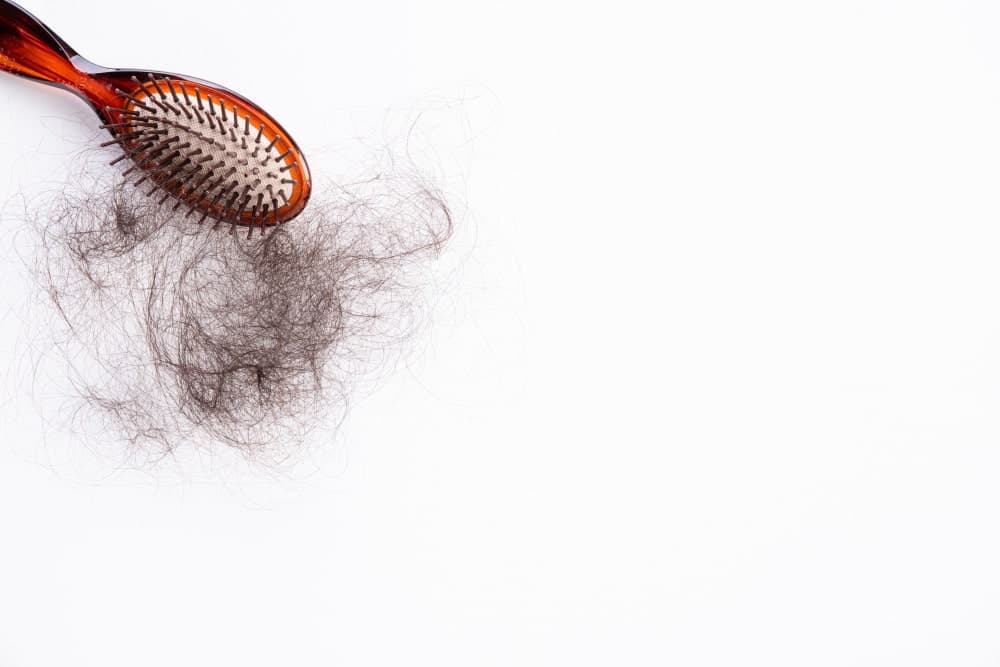
The shedding phase refers to the period following a hair transplant when the newly implanted hair begins to fall out. This can happen anywhere from two to four weeks after the procedure and can last for several weeks. While this may seem alarming, it is completely normal and even expected in most cases. The reason for this shedding is tied to the natural hair growth cycle.Understanding the Hair Growth Cycle
Before diving deeper into the shedding phase, it's important to understand how hair grows. Your hair follows a natural growth cycle, which consists of three stages:- Anagen Phase – The active growth phase, where hair is growing.
- Catagen Phase – The transitional phase when hair growth stops.
- Telogen Phase – The resting phase, where the hair falls out and is replaced by new hair.
Why Does Shedding Happen After a Hair Transplant?
Hair shedding occurs for several reasons, and understanding these can help patients manage their expectations and anxiety during the recovery period.- Shock Loss Following a hair transplant, the scalp experiences trauma from the procedure. The surgical process can disrupt the natural cycle of hair follicles, leading to “shock loss.” This is a common phenomenon in which both the transplanted hair and existing hair in the treated area shed temporarily. This is a normal part of the healing process, and while it can be unsettling, it is usually temporary.
- Hair Follicle Adjustment After the hair follicles are transplanted, they need to adjust to their new environment. During this time, it’s common for the newly transplanted hair to shed as the follicles move into the anagen phase and start growing new hair. This process is essential for the long-term success of the transplant, but it takes time.
- Stress on the Scalp The transplant procedure itself can create some trauma to the scalp, which may disrupt the natural hair cycle. The shedding phase is essentially the body’s way of “resetting” the hair follicles to ensure that the hair grows in the right cycle.
When Does the Shedding Phase Occur?
For most individuals, shedding starts to become noticeable about two to four weeks after the transplant. Initially, patients may notice a few hairs falling out, but within a few weeks, the shedding can be more noticeable. While this can understandably cause some worry, it’s important to note that shedding is part of the natural healing process. The shedding phase typically lasts around two to three months. By this point, the transplanted follicles will have settled into their new location, and new hair should begin to emerge. This new hair growth will gradually become thicker and stronger over time, eventually blending seamlessly with your natural hair.How Long Does the Shedding Phase Last?
The duration of the shedding phase varies from person to person, but in general, the shedding phase lasts around 3 to 4 months after the procedure. It can take a few months for the transplanted hair to move through the growth cycle and start growing back. Most patients begin to notice significant new growth around the 4-6 month mark, with full results visible after 12-18 months. It’s important to remember that the process is gradual. Immediate results are not typically seen right after the procedure, and the shedding phase is simply a necessary step in achieving a fuller, more natural hairline.Managing the Shedding Phase
While there is no way to entirely prevent the shedding phase, there are a few things you can do to ensure your hair recovery goes as smoothly as possible:- Follow Post-Operative Instructions After your hair transplant, your surgeon will provide detailed aftercare instructions. These may include avoiding certain hair care products, refraining from scratching your scalp, or using specific medications to promote healing. Following these instructions closely can help to avoid unnecessary trauma to the scalp and reduce the risk of complications.
- Be Patient Understand that hair growth after a transplant is a gradual process. Don’t be discouraged if you notice hair shedding in the first few months. It’s a natural part of the cycle, and the new hair growth will start to show up soon.
- Maintain a Healthy Lifestyle Eating a balanced diet, staying hydrated, and managing stress can all contribute to better hair health. Make sure you’re taking care of your body overall as it will help to support the hair follicles during their healing and growth phases.
When Should You Be Concerned?
In most cases, shedding is temporary, and there’s no need for concern. However, if you notice excessive hair loss, irritation or other signs of infection, it’s important to consult with your hair transplant specialist. They can assess your condition and offer further guidance.Conclusion
The hair transplant shedding phase is a natural part of the recovery process and should not be a cause for alarm. While it can be uncomfortable to see your newly transplanted hair fall out, it’s an expected part of the healing and hair growth process. With patience and proper care, the transplanted hair will begin to grow back stronger and healthier, ultimately giving you the full, natural-looking hair you desire. If you have any concerns or questions about your hair transplant journey, we are here to help. Contact us today for personalised advice and tailored hair loss solutions.Hair Losshair transplantThe Hair DrUK