
← Back to all blogsHair Transplant
Why Do Hair Transplants Fail?
The Hair Dr·27 June 2026
Occasionally, hair transplants do fail. That’s the last thing you want to hear. After all, you’re excited about getting natural-looking hair once again. But we must be honest and say that a hair transplant is not 100% guaranteed. No one wants to believe their hair transplant could fail, and no one talks about the possibility, either. You only hear about successful hair transplants.
In this article, we’ll talk about why hair transplants fail and what you need to know to ensure your procedure is successful.
How Likely Is It for a Hair Transplant to Fail?
According to an ISHRS study , the chances that a hair transplant will fail are about 43%. The study analysed failure based on the patient’s satisfaction and whether the hair transplant patients received their expected results. True hair transplant failure is when transplanted hair fails to grow. The good news is that professional clinics with skilled surgeons tend to have a failure rate of less than 2%. Unprofessional clinics, however, can have a failure rate of 30%.Why Do Hair Transplants Fail?
Here are some of the most common causes of hair transplant failure:Inexperienced Surgeon
Some hair transplant surgeons have better skills than others when it comes to certain types of hair transplants. For instance, not all surgeons have the skills to perform afro hair transplants. Then there are surgeons who are only good at FUE (Follicular Unit Extraction) hair transplants. These surgeons may experience hair transplant failures by performing more advanced techniques such as DHI (Direct Hair Implantation).Poor Post Surgery Care
Another common reason for hair transplant failure is if the patient isn’t given the necessary post-operative care. Poor post-surgical care can negatively impact the hair transplant, even when the procedure is performed by a surgeon with excellent skills. For instance, dressing the wounds, washing their hair, and applying medication are a few of things that a recent hair transplant patient should have done. In addition, hair transplant patients must also do their part in ensuring their hair transplant succeeds. A high-quality clinic will ensure their patient has been educated on the dos and don’ts of post-surgical care.Hair Graft Rejection
Hair graft rejection can happen, though it’s rare. Rejected hair implants fail to grow. This condition can be caused by a disease called LLP (Lichen Planopilaris). The condition causes inflammation in the upper part of the hair follicles that can lead to rejection.How Bald is Too Bald for a Hair Transplant?
A patient who has Norwood Scale 7 hair loss is not considered a good candidate for a hair transplant. The reason is that they don’t have enough hairs in the donor area. If the amount of hair follicles in the donor site (around the nape of the neck) is too sparse or the hair follicles are too thin, the hair transplant has a higher chance of failing. However, there have been successful hair transplants with completely bald patients. It all comes down to the skill and experience of the surgeon and the type of hair transplant procedure used.What Percentage of Hair Transplants Are Successful?
The success rate of a hair transplant is measured by the percentage of transplanted hair that grows back. A transplant is deemed successful if the percentage is 80% or higher. The general success rate of hair transplants is 95% to 98%, especially using the FUE (Follicular Unit Extraction) method. A top-rated surgeon may have a success rate that’s closer to 100%.What Can I Do to Ensure My Hair Transplant is Successful?
There are some things you can do to ensure your hair transplant has a higher rate of success, including the following:Choose the Best Clinic
Search for highly rated hair transplant clinics. These clinics ensure their patients receive the best treatments and understand their reputation is on the line. The clinics have experience with all types of hair transplants, including those techniques that are more advanced. It’s your responsibility to find and learn everything you can about the clinic and the surgeon and what hair transplant methods they use.Read Reviews
As you search for the right hair transplant clinic, reading reviews, comments, and testimonials from previous patients is a good idea. They may share information about the success of their treatment, the surgeon, and more. Research this information online and make sure to read all recommendations, including those made by patients who had a negative experience. You can learn from both positive and negative comments. All of this information can help you choose the right clinic for your hair transplant procedure.Know Your Eligibility
Most hair transplant patients aren’t sure about the criteria that could make them ineligible for a hair transplant. If you don’t have enough donor hair or have a blood-borne illness, you are not eligible for a hair transplant procedure. Even if you could bypass these issues and have a transplant, chances are the hair transplant will fail, and you could have some horrible results. In this kind of situation, it’s best to find different hair restoration methods.Follow Post-Surgery Instructions
Many hair transplants that fail are not the surgeon’s fault; instead, they are due to the patient. If you don’t follow the post-surgery instructions after your operation, your hair transplant could fail. It’s essential to follow all the instructions the surgeon gives you. These may include instructions about your diet, haircare, sleeping position, and more that could impact your results.What Does a Failed Hair Transplant Look Like?
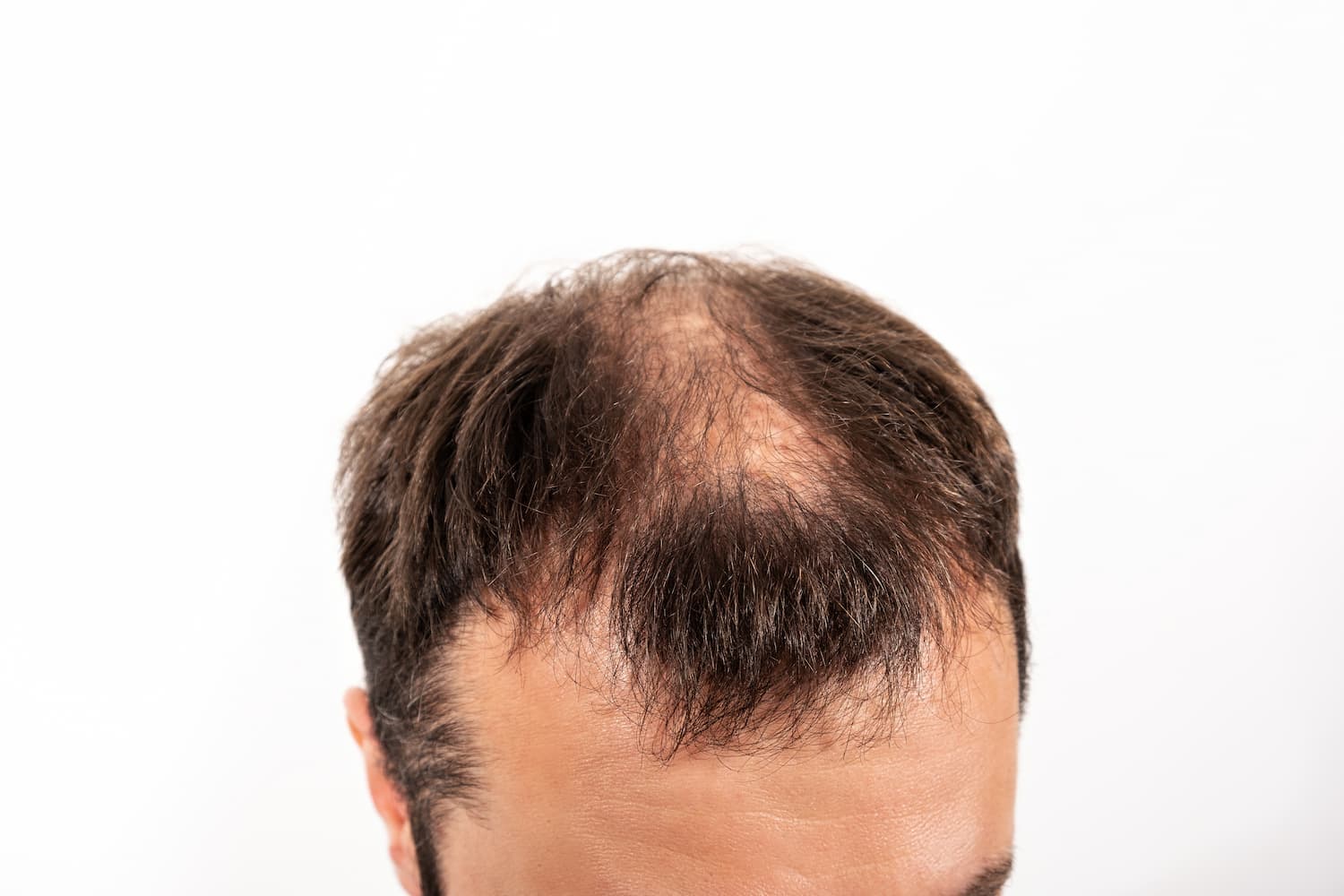
A failed hair transplant can look any number of ways. For instance, if you wanted to cover your bald head, the failed transplant could leave you with sparse hair, or the transplanted hairs won’t grow at all. The degree of failure can vary. For some patients, the hair transplant is successful, but the result doesn’t match their expectations. For others, the hair transplant completely fails. A wholly failed hair transplant is one where more than 30% of the transplanted grafts don’t survive. In this case, you may look as if you have grass on your head.What are the Rules After a Hair Transplant?
Here are some rules that most hair transplant patients need to follow:- Avoid friction to your head (don’t wear hats or head warmers)
- Avoid alcohol completely
- Avoid strenuous activity or exercise
- Avoid excessive sun exposure
- Avoid extremely hot or cold showers
- Eat a balanced diet
- Wash your head exactly as directed by your surgeon
Concluding Thoughts
It’s true that some hair transplants will fail; however, these are not always the fault of the surgeon. A failed hair transplant is often caused by the patient not following their post-surgery instructions correctly. To ensure your hair transplant is successful, be sure to find the best clinic and surgeon. Once your procedure is complete, remember to follow all the instructions your surgeon provides. Following these tips can mean the difference between a successful or a failed hair transplant.Hair Transplanthair transplantThe Hair DrUK