
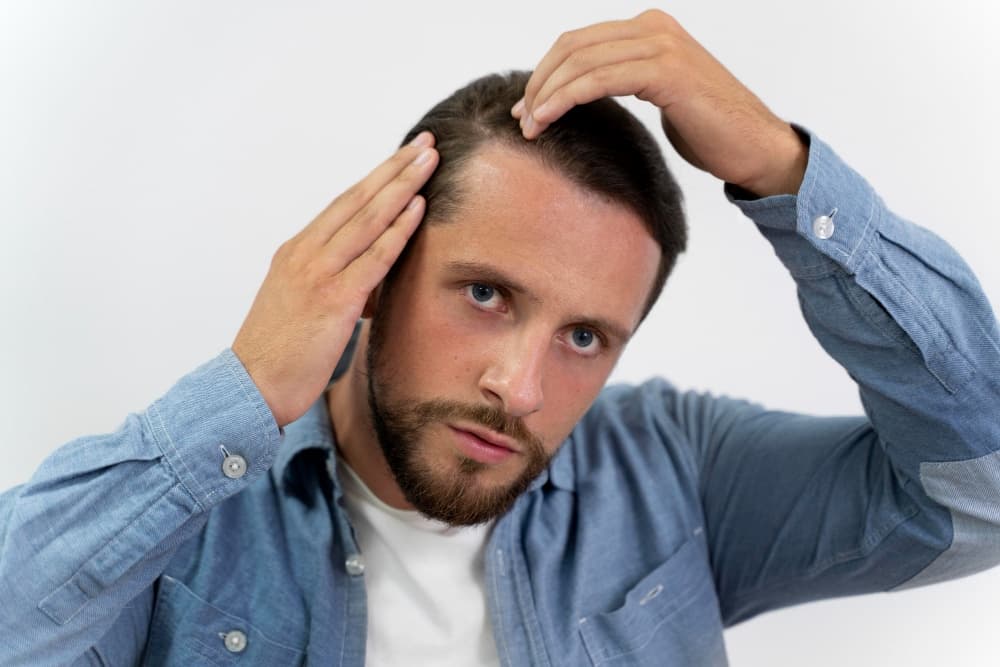
Why Is My Hair Receding on One Side?
Hair loss can be an unsettling experience for anyone, and noticing that your hairline is receding on one side can be particularly distressing. Many people experience this issue at some point in their lives, but it’s essential to understand the potential causes and seek effective solutions. In this blog post, we’ll explore the reasons behind a receding hairline on one side, the factors that contribute to uneven hair loss, and what you can do about it.
Understanding Receding Hairlines
Before delving into the specific causes of a receding hairline on one side, it's important to understand what a receding hairline generally refers to. A receding hairline occurs when hair gradually starts to thin and move back from its natural position, typically at the temples or the forehead. This process is most commonly associated with male pattern baldness, but women can experience similar issues as well. While some degree of hairline recession is natural as we age, an uneven receding hairline can leave many wondering why this is happening specifically on one side. The factors contributing to this type of hair loss can vary, but understanding them can help you take the appropriate steps to manage and potentially reverse it.
Genetics and Hormones
The most common cause of a receding hairline, whether it affects one side or both, is genetics. Male pattern baldness, which is the most prevalent cause of hair loss in men, is largely driven by hereditary factors. If your father, grandfather, or other male relatives have experienced a receding hairline, it is more likely that you will, too. While male pattern baldness usually begins at the temples or the crown, it can present differently in each person. In some cases, the hair loss may be more pronounced on one side, making it appear that your hairline is receding unevenly. Hormonal imbalances, such as those related to dihydrotestosterone (DHT), can also influence hair loss, further exacerbating the effects of male pattern baldness. For women, hormonal changes related to pregnancy, menopause, or the use of birth control can also cause hair thinning or receding on one side. Female pattern baldness typically manifests as diffuse thinning rather than a distinct receding hairline, but it can still cause hair to fall out unevenly.
Traction Alopecia
Another possible cause for a receding hairline on one side is traction alopecia, a condition caused by excessive pulling or tension on the hair. This can happen when hair is regularly styled in tight hairstyles, such as braids, ponytails, or buns, which put stress on the hair follicles. Over time, this constant tension can lead to hair loss, often starting at the hairline or temples. If you frequently wear tight hairstyles, especially on one side of your head, it could explain why you’re seeing more hair loss on that side. Traction alopecia is typically reversible if caught early, so if you suspect this is the cause, consider loosening your hairstyles and giving your hair a break.
Uneven Scalp Health
Your scalp plays a crucial role in the health of your hair. If the skin on one side of your scalp is affected by conditions like dandruff, seborrheic dermatitis, or fungal infections, it can cause hair loss to be more pronounced on that side. Poor scalp hygiene, excessive product buildup, or sensitivity to certain hair care products can also result in imbalanced hair growth, leading to uneven thinning. In these cases, treating the underlying scalp condition can often stop hair loss from progressing and encourage healthy hair regrowth. A balanced scalp is essential for healthy hair, so paying attention to your scalp health can help prevent or address hair loss issues.
Stress and Lifestyle Factors
While stress itself is not typically the sole cause of hair loss, it can exacerbate other factors contributing to a receding hairline. Stress can lead to a condition called telogen effluvium, where hair prematurely enters the shedding phase, causing more hair to fall out than usual. This can make existing hair thinning seem even more pronounced, especially if the stress is affecting one side of your scalp more than the other. Additionally, lifestyle factors such as poor diet, lack of sleep, and smoking can all contribute to hair loss. A lack of essential nutrients, including vitamins and minerals, can weaken hair follicles and hinder hair growth, making hair loss more noticeable. If you are concerned about hair thinning or a receding hairline, it may be helpful to assess your stress levels and make adjustments to your diet and lifestyle to support healthy hair growth.
Age and Natural Hair Thinning
Age is a significant factor in hair thinning, and it is normal for the hairline to gradually recede as part of the natural ageing process. However, if this happens unevenly, it can be disconcerting. As we age, hair follicles shrink, and the growth phase of the hair cycle shortens, leading to thinner and weaker hair. This can happen more noticeably on one side of the head, resulting in an uneven appearance. While age-related hair thinning is generally inevitable, there are treatments available to slow the process and encourage regrowth.
What Can You Do About a Receding Hairline on One Side?
If you notice that your hairline is receding on one side, it’s essential to identify the underlying cause before seeking treatment. Depending on the cause, there are various options available, including:
- Hair Growth Treatments: Over-the-counter treatments like minoxidil (Rogaine) can help stimulate hair growth and slow down hair loss. These treatments can be applied directly to the affected area to promote regrowth and prevent further thinning.
- Hair Transplants: For more severe cases of hair loss, a hair transplant may be an option. This involves taking hair follicles from a thicker area of the scalp and transplanting them to the thinning or balding area.
- Scalp Care: Maintaining a healthy scalp is key to preventing hair loss. Regularly wash your scalp, use gentle shampoos, and consider treatments to improve scalp health if necessary.
- Lifestyle Changes: Reducing stress, eating a balanced diet, and getting enough sleep can all contribute to healthy hair growth.
Contact Us for Hair Loss Solutions If you’re experiencing a receding hairline on one side, we understand how frustrating it can be. Fortunately, there are effective solutions available to help address this issue and restore your hairline. Our team of specialists can assess your individual situation and recommend the best course of action for your unique needs. Contact us today to learn more about the hair loss treatments and solutions available.