
Why Is Your Hair Transplant Not Dense or Thick Enough?
A hair transplant can be life changing, restoring confidence and a natural looking hairline. But what happens when you are not happy with the results. One of the most common concerns patients raise is that their transplant doesn’t look as dense or thick as they had hoped.
If you’ve undergone a hair transplant and feel disappointed with the coverage, you are not alone. In this article, we’ll explore the reasons why a hair transplant may not appear dense enough, what factors influence the outcome, and what can be done to improve it.
Understanding Hair Density
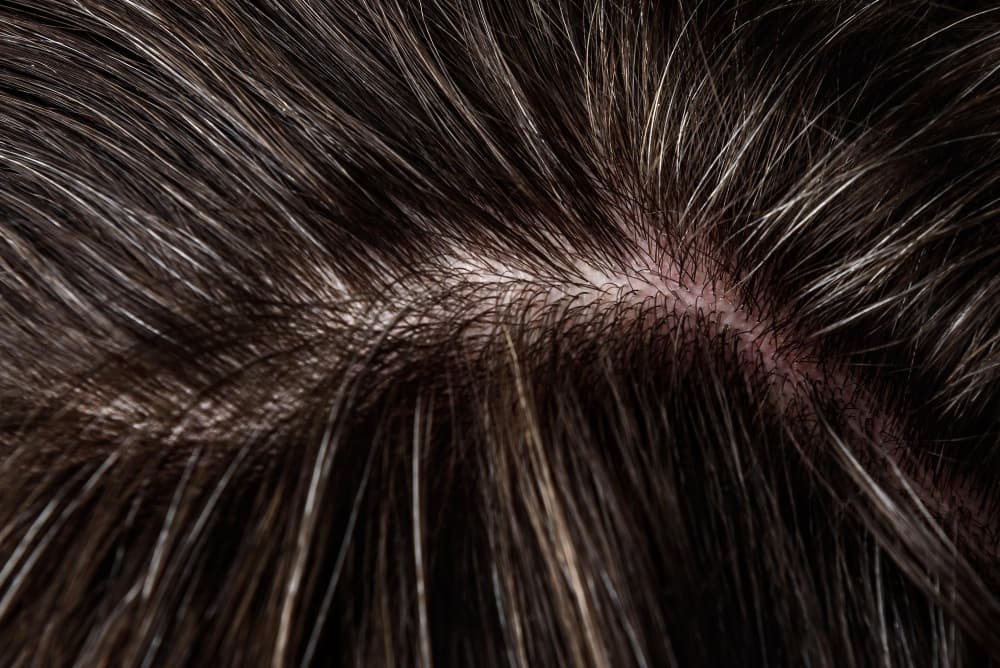
Hair density refers to the number of hair follicles per square centimetre of scalp. While natural hair density varies from person to person, most people have between 80–120 follicular units per cm².
In hair transplants, it’s rarely possible to replicate natural density fully. Instead, the goal is to create the illusion of fullness by strategically placing grafts, especially in the most visible areas like the hairline and crown.
If the density is lower than expected, it can affect the overall cosmetic result. But why does this happen?
Common Reasons for Low Hair Density After a Transplant
Insufficient Grafts Transplanted
Sometimes, the surgeon may not have transplanted enough grafts to cover the balding area adequately. This can occur if the donor supply was limited, or if the procedure was planned conservatively.
Poor Donor Hair Quality
If the donor hair is thin, weak, or sparse, it may not provide the appearance of fullness even if the grafts survive. Hair characteristics such as thickness, curl, and colour contrast also affect how dense the hair looks.
Shock Loss
It’s not unusual for existing native hair around the transplant area to fall out temporarily due to trauma or stress from surgery. If this happens, the result may look thinner than expected until the hair regrows.
Poor Graft Survival
Not all transplanted grafts survive. If the surgical technique, handling, or aftercare was suboptimal, some follicles may not grow, reducing overall density.
Progressive Hair Loss
Hair transplants do not stop natural hair loss. If you continue to lose hair after the procedure and don’t use medical treatments to stabilise it, thinning may outpace the transplant results.
Unrealistic Expectations
Some patients expect their hair transplant to restore the exact density they had in their teenage years. In reality, the aim is usually to create natural-looking coverage, not absolute fullness.
What Can Be Done if Density Is Too Low?
If your transplant hasn’t delivered the density you were hoping for, there are several possible solutions depending on your individual circumstances:
Second (or Touch-Up) Procedure
Many patients require more than one procedure to achieve their desired look. A second transplant can add density, refine the hairline, or fill in gaps.
Use of Body or Beard Hair
If scalp donor hair is limited, body or beard hair can sometimes be used to increase density, though texture differences must be considered.
Scalp Micropigmentation (SMP)
SMP involves applying pigment to the scalp to simulate the appearance of hair follicles. When combined with transplanted hair, it can create a much denser-looking result.
Medical Treatments
Medications like finasteride and minoxidil can help strengthen existing hair and slow down further loss, helping maintain overall density.
Styling Adjustments
The way you wear your hair can make a big difference. Certain cuts and styles can maximise the appearance of thickness, especially when combined with thickening products.
How to Prevent a Low-Density Outcome
The best way to avoid disappointment is through careful planning and choosing an experienced, reputable surgeon. Here are key considerations:
- Thorough Consultation: A good clinic will assess your donor area, hair characteristics, and future hair loss patterns before recommending a plan.
- Realistic Goals: Understanding that transplanted hair will never fully match natural density is essential.
- Proper Technique: Skilled surgeons use advanced methods such as Follicular Unit Extraction (FUE) or Follicular Unit Transplantation (FUT) with precise graft placement to maximise coverage.
- Long-Term Strategy: Since hair loss is progressive, planning for future thinning is crucial. A responsible surgeon won’t just focus on immediate results but will consider how your hairline and density will look years down the line.
Managing Expectations
While hair transplants can deliver excellent results, it’s important to keep expectations realistic. The illusion of density can often be achieved with far fewer grafts than natural hair density, especially if the hair has good thickness and texture.
However, if your transplant hasn’t met your expectations, don’t be discouraged options are available. With the right combination of medical treatment, further surgery, or cosmetic solutions like SMP, most patients can still achieve a satisfying and natural look.
Conclusion
A hair transplant that doesn’t look dense enough can be disappointing, but understanding the reasons behind it is the first step toward improvement. Factors such as donor supply, graft survival, and natural hair characteristics all play a role.
The good news is that solutions exist, from touch-up procedures to non-surgical treatments, to help enhance thickness and restore confidence.
Considering a Hair Transplant?
If you’re concerned about the density of your hair transplant or are thinking about undergoing the procedure, we’re here to guide you. Contact us today for a private consultation with our hair restoration specialists and take the next step towards a fuller, more confident you.